

Dementia is not a natural part of ageing.
If you are caring for or supporting someone who has not been diagnosed with dementia and you are concerned that they may have signs of dementia, it will be important for them to seek medical support via a GP as soon as possible. Your line manager will be able to give you appropriate support and guidance.
People might not notice the symptoms of dementia in themselves.

When they visit the GP, they will be asked about the symptoms, other aspects about their health and they will receive a physical examination.
The GP will ask how and when the symptoms started, they will check that other conditions such as heart disease, diabetes, depression or stroke are being properly managed. They will review any medication that is being taken, including medicine bought without prescription over the counter and alternative products like vitamin supplements.

We might all suffer from one or more of the symptoms of dementia from time to time. This can be called MCI or Mild Cognitive Impairment where the symptoms are not severe enough to be diagnosed as dementia but some people with MCI will go on to develop dementia.
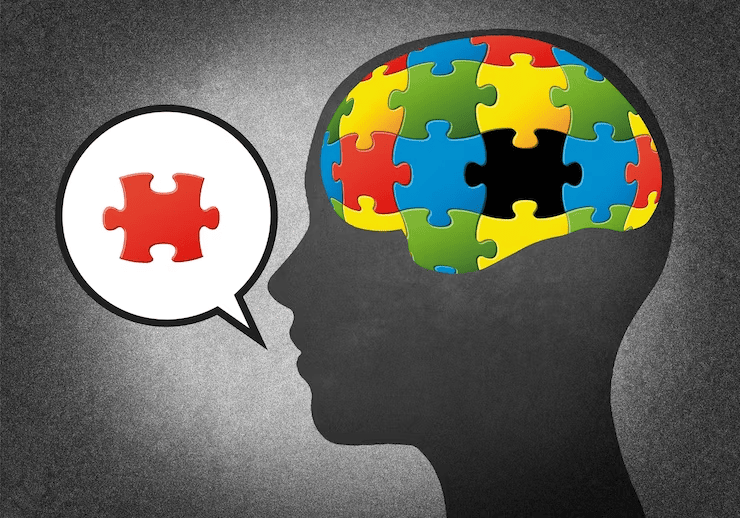
Memory problems don’t necessarily mean dementia.
They can also be caused by other factors like:
- Depression and anxiety
- Delirium (confusion caused by medications, such as infections)
- Thyroid problems
- Side effects of medication
- Just being busy
The GP will carry out blood tests to help rule out other causes of the symptoms that can be confused with dementia.
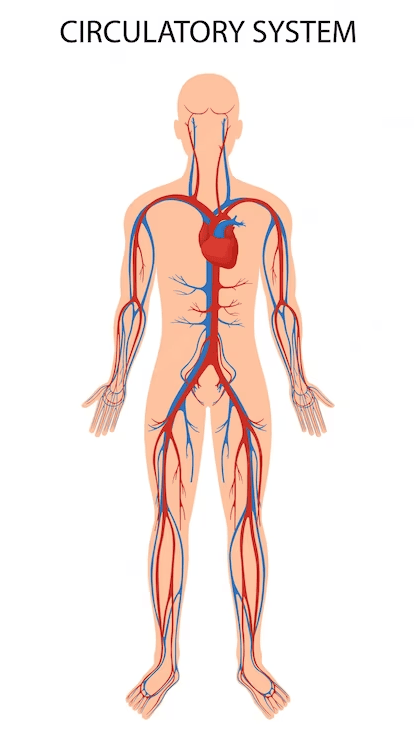
In most cases, the blood tests will check:
- Liver function
- Kidney function
- Thyroid function
- Haemoglobin (for diabetes)
- Vitamin B12 and folate levels
The GP may carry out mental ability tests to measure memory problems and the ability to think clearly. Tests might include:
- Short and long term memory
- Concentration and attention span
- Language and communication skills
- Awareness of time and place
A GP may conduct a urine test if they think there may be an infection.
Some people may be referred for a brain scan to check for evidence of other possible problems and to help confirm a diagnosis, including the type of dementia.
.svg)



