
2.1 The Four Main Categories of Child Abuse
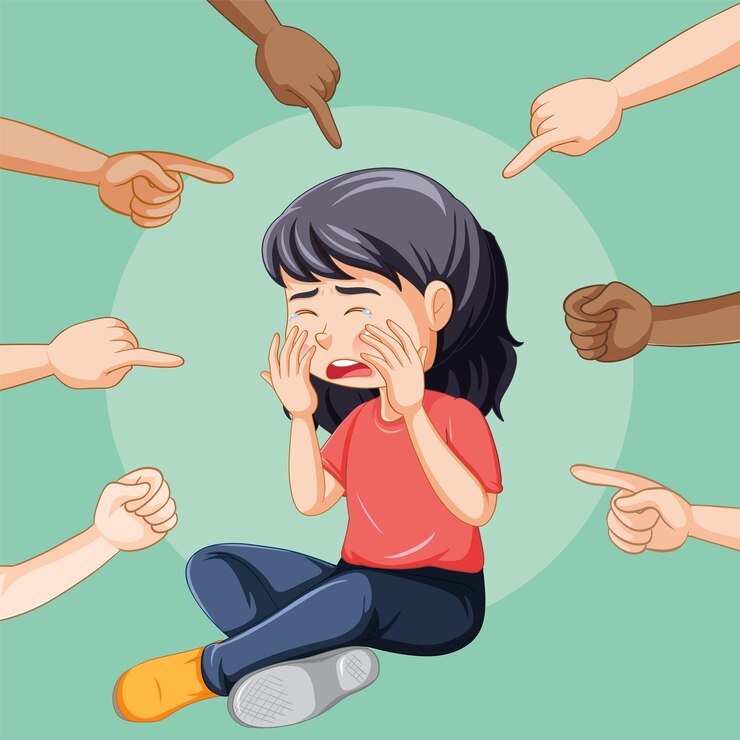
Remember that child abuse can take place in any setting, including the family home, school and healthcare services, and that it occurs at all levels of society.
Physical abuse
Physical abuse is defined as any act that intentionally causes physical harm, including throwing, hitting,shaking, poisoning, drowning and scalding.
Emotional abuse
Emotional abuse is the ongoing maltreatment of a child that has an adverse impact on their emotional or psychological development. For instance, a parent who tells their child that they are a disappointment or not good enough on a frequent basis is emotionally abusive.
Sexual abuse
Sexual abuse can take several forms. It may consist of forcing or convincing a child to take part in sexual activity, but exposing a child to sexual media and encouraging them to behave in a sexual manner via the internet also constitute sexual abuse.
FACT
The Crime Survey for England and Wales (CSEW) estimated that 7.5% of adults aged 18 to 74 years experienced sexual abuse before the age of 16. The abuse was most likely to have been perpetrated by a friend or acquaintance
Source: ons.gov.uk
Neglect
Neglect is the fourth major category. A neglected child does not have their basic needs met. For instance, they may not have enough food to eat, their clothes may be dirty and unsuited to the climate, or they may be denied adequate medical care. Children are often caught up in domestic abuse. According to the NSPCC, around 1 in 5 children have been exposed to domestic abuse. 90% of the time, the child in this situation is in the same room or the room next door. Domestic violence is a parental risk factor that increases the chance of victimisation at the hands of their parents.
Other parental risk factors include:
a. The mental illness of a parent
b. A parent who was abused as a child
c. A young/teenage parent
d. A parent with a substance abuse problem
2.2 Other Sources of Harm that Pose a Threat to Children
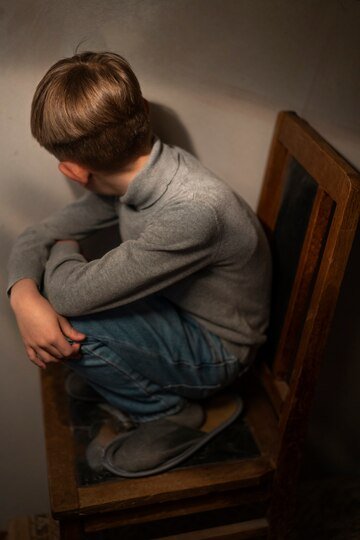
Aside from the four key risk categories listed above, children face dangers in other areas. These include Child Sexual Exploitation (CSE), whereby a child (including those aged 16-17) is sexually abused in exchange for gifts, money, or other resources. The abuser is in a position of relative power over the victim. For instance, they are often older and have more financial resources.
Children are also vulnerable to trafficking, whereby they are recruited and moved before being sold into exploitation. Other forms of abuse include honour-based violence and female genital mutilation (FGM). Over 200 million girls and women alive today have been subjected to FGM; in somecultures, it is considered essential to making a girl marriageable. It is usually carried out on young girls between infancy and 15 years of age. Children are also affected by forced marriage. In a forced marriage, one or both individuals do not consent to the union and they marry under pressure or coercion.A child looking to escape a forced or arranged marriage may become the victim of honour-based violence, an act carried out under the guise of protecting or defending a family or community’s honour.
Honour-based violence usually occurs when a child’s family members believe that they have somehow bought shame upon the family or community through their actions, even though they have not committed a crime. For instance, starting a relationship with someone of another background can lead to honour-based violence. Children who identify as LGBTQ+, or who develop cultural differences with their family are especially vulnerable to family or community disapproval and honour-based violence.
Module Summary
The abuse of children takes many forms, such as physical, emotional or sexual abuse, or neglect. It is perpetrated in a variety of settings, from home, to school, to the wider community. Children from families where a parent has been abused, or has mental health problems or substance abuse issues, are at a higher risk of being subjected to abuse. The same is true of children with very young parents, or those in a home where domestic violence is an issue. Children are also at risk from others, particularly those in communities where forced marriage, FGM or honour-based violence are practiced. Spotting the signs of abuse early helps reduce its impact. In the next video, you will learn how to identify an abused child.
.svg)



