
1.0 Introduction

Unfortunately, child abuse is a worldwide problem.One in four adults worldwide report that they were physically abused as children. Abuse has significant repercussions for the individual and society as a whole.
For example, adults abused as children are twice as likely to develop treatment-resistant depression compared to the population as a whole.
FACT
The Crime Survey for England and Wales (CSEW) estimated that one in βive adults aged 18 to 74 years experienced at least one form of child abuse, whether emotional abuse, physical abuse, sexual abuse, or witnessing domestic violence or abuse, before the age of 16 years. This equates to 8.5 million people.
Source: ons.gov.uk
Everyone has the right to lead a life free from abuse. To safeguard a child is to promote their welfare and reduce or eliminate the risk that they will be physically or psychologically harmed.
1.1 Elements of Safeguarding

There are four specific elements to safeguarding:
a. Protecting a child from maltreatment and abuse
b. Taking a proactive approach to promote good outcomes
c. Preventing harm to a child’s development or health
d. Doing everything possible to ensure that children grow up with access to safe and effective care
Every organisation working with children, whether in the private or public sector, has a duty to safeguard the children in their care. They must draw up safeguarding policies and have procedures in place to identify and protect any children identified as being at increased risk of abuse. In this context, a “child” is anyone who has yet to reach their 18th birthday, regardless of their occupation or marital status.
For example, someone could be married, working full-time and living away from home – but if they are under 18, they are still covered by laws and policies addressing child welfare.
1.2 Protecting Children
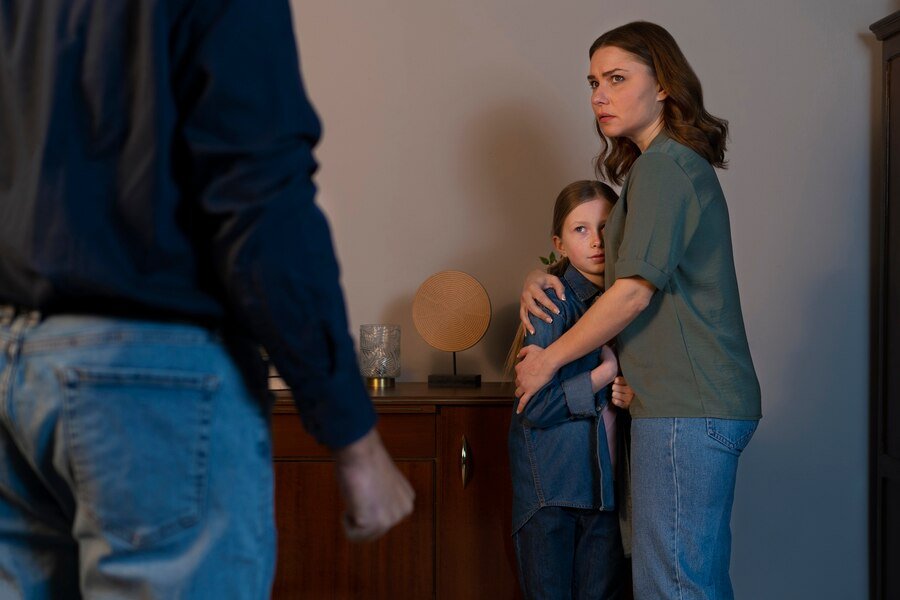
Children are a vulnerable group because their lives are governed by the adults around them.They may have limited opportunities to raise any concerns and may not have the language skills required to report abuse. Some children are especially vulnerable. For example, children in care often face unique social and emotional challenges. Children with disabilities require extra protection from abuse because they are even more dependent on others for day-to-day tasks of living, and they may have communication difficulties.
According to the children’s charity NSPCC, there are three key ways organisations can avoid placing children at unnecessary risk:
a. By implementing suitable policies and recruiting only those who pose no risk to children
b. By ensuring that all staff comply with safeguarding procedures
c.By ensuring that everyone within the organisation undertakes child protection training
Each nation in the UK has its own legislation and guidance regarding child protection and safeguarding. In England, Sections 11 and 12 of the Children Act 2004, place a statutory duty on agencies to co- operate with authorities in safeguarding children and promoting their welfare. However, a professional (such as a teacher or doctor) who does not report suspected abuse is not committing a crime. The Department for Education provides statutory guidance for schools and colleges in England. Therefore, for anyone working in these environments, it is important to read 'Keeping children safe in education'. You can βind details of the laws and guidance in schools for each nation on the NSPCC's website.
FACT
The NSPCC offer recommendations on safe adult to child ratios in schools. However, schools are expected to carry out their own risk assessment at the beginning of each academic year to determine appropriate levels of supervision for each class.
Source: nspcc.org.uk
Module Summary
The abuse of children is a widespread and serious issue. Children are a vulnerable group because they are dependent on the adults around them.Safeguarding children is all about protecting children from abuse, and doing everything possible to enable them to grow up in a safe and caring environment. In the next module, we will look at the different kinds of abuse in detail.
.svg)



