
Depression and anxiety are mental health problems that can become an illness.
Let’s start by looking at anxiety…
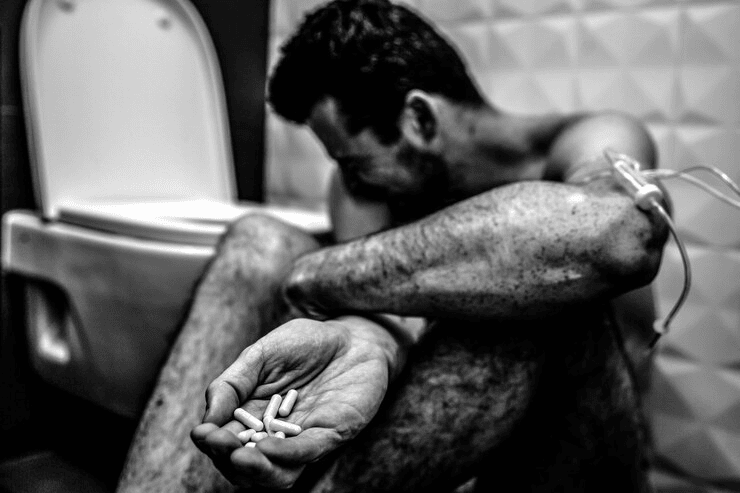
Anxiety is very similar to depression, however, there are important differences.
Flip the cards below to see the main differences…
Stress comes from the world around us, it is our response to the pressures of life. Anxiety is more internal and comes in many forms.
Expand the sections below see some brief descriptions of the main types of anxiety.
Stress is responding to what is happening. Anxiety is responding to not only to what is happening, but also what has happened or might happen.
When it is most severe, anxiety can completely disable a person.
It can cause intense distress and suffering as well as severely impacting their ability to go about most functions of everyday life.
Next we will look at depression…
Depression is something most of us feel familiar with and can talk about to some degree.
However, this has led to some misunderstandings.
Watch this video (3:59) from mental health charity, Mind. It features four people affected by depression who are brave enough to talk about it. The video helps us to understand what depression is, what it is not and how everyone’s experience is unique to them.
There are common symptoms of depression.
Like stress and anxiety, everybody will experience a different combination of signs and symptoms and at a differing intensity.
See the difference between mild, moderate and severe depression. This helps us to understand the difference between depression as a mental health problem and as a more severe illness….

The NHS identifies the symptoms of depression as being psychological, physical or social.
So we will look at the symptoms under each of these headings.
Psychological symptoms of depression include:
| Continuous low mood or sadness | Feeling hopeless and helpless |
| Low self-esteem | Feeling tearful |
| Feeling full of guilt | Feeling irritable |
| Intolerance of other people | No motivation or interest |
| Difficulty making decisions | Not getting any enjoyment out of life |
| Feeling anxious or worried | Thoughts of suicide or self harming |
Physical symptoms of depression include:
Social symptoms include:
- Avoiding contact with friends and taking part in fewer social activities
- Neglecting your hobbies and interests
- Having difficulties in your home, work or family life.
Sadness and depression are often thought of as being related BUT...
It is important to remember that sadness is part of being human.
It is a natural reaction to painful circumstances that all of us experience.
Whereas in contrast, depression is an illness with many symptoms that extend well beyond a sadness.
Depression and grief
Grief is a normal, natural response to a loss.
People who are grieving find their feelings of sadness and loss come and go. However, they are still able to enjoy things and look forward to the future. In contrast, people who are depressed constantly feel sad. They find it difficult to enjoy anything or be positive about the future.
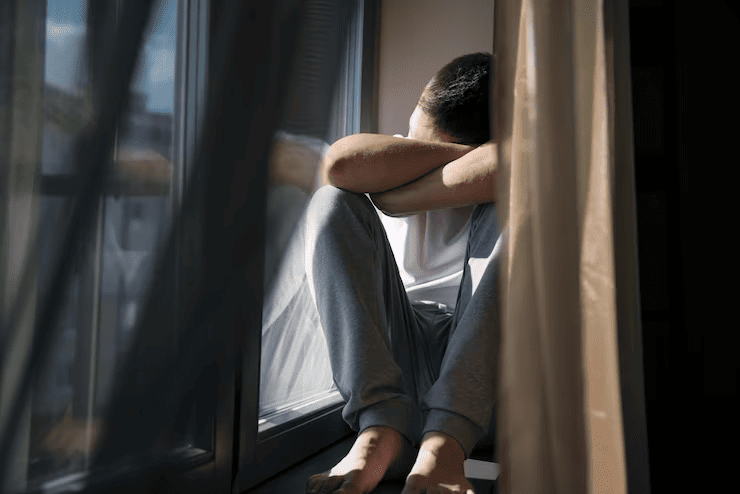
Most people will experience loss and bereavement at some point during their lives.
Sadly, that will include you. In social care, we often build strong bonds with the people we support because we care. This means you are likely to experience more loss and bereavement than someone who is not involved in a social care role.
You may find our Loss and Bereavement course of use.
In this course, we share some of the key models identified through studies of patterns of other people’s experiences and help you to understand what is normal and when to seek support.
Let’s go back to Hannah…
The flu has now gone but she has lost her job. She has lost the energy to do things. She is reluctant to leave her flat and avoids seeing friends.
Hannah now has trouble sleeping. She worries about the future for at least three hours every day.
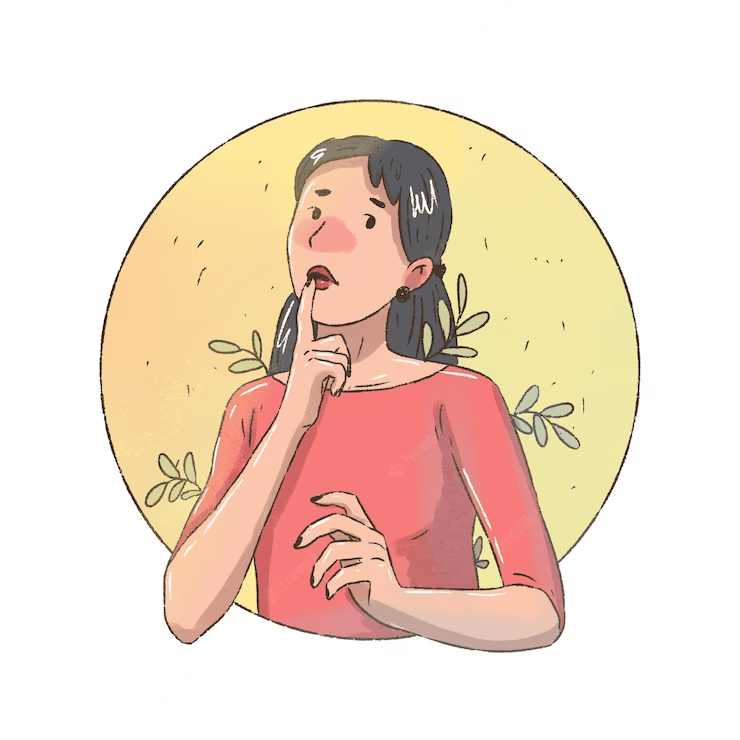
A friend visits Hannah and finds that she has not had a bath or shower for four days.
Hannah is not just feeling down, she may be depressed. Hannah’s friend supports her to make an appointment with her GP.
You can take our Mental Health Awareness course if you would like to find out more about mental health illness and conditions and the legislation surrounding mental health in social care.
.svg)



