
types that can be held for children.

* Classifying a party by the child's
age
*How to classify a party by theme
to classify a party
2.2 Classification of Children's Parties
There are infinite ways to hold a children's party, so one needs to narrow down the choices before more detailed plans and
costs can unfold.
As a party planner, you might be asked to plan and
create all different types of parties for children. You might find that you are asked to create a
traditional party theme, but you also might have to create something completely unusual. Party themes are generally
categorised into different classifications.
Some examples
of party categorisations include:
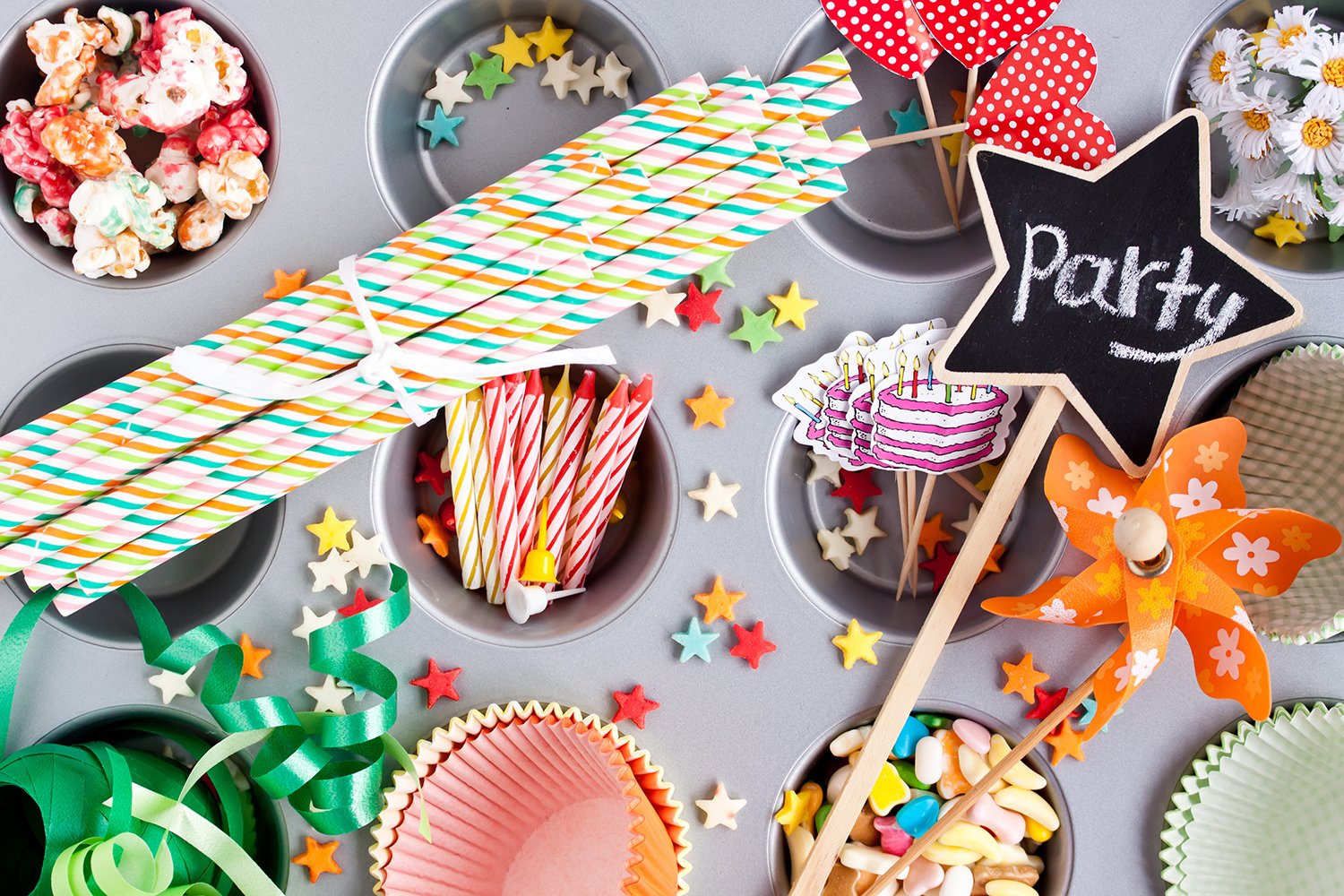
*1st Birthday Party - Other Age Themed Party


it is wise to bear in mind all the different needs, interests and numbers
of invitees of a particular age group. Do this prior to choosing
the format, style or theme of any party.
This rule of thumb indicates the most popular
types of party for the 1 - tweens age groups.
One- and two-year-olds: They
are not really ready for a big number and are often overwhelmed by a large production with too much going on.
Usually, a simple affair is what most
parents tend to opt for, such as a family gathering or a simple buffet with
close adult friends and their similar
aged children. You will likely find that parents want to incorporate activities that are appropriate for all ages, if they want activities at all. At this age, a child doesn't necessarily have peers,
but instead, there
will be people
of all ages in attendance.
Three-year-olds: Three-year-olds can handle planned
activities, but again
these children do not require any type of extravaganza
or over-the-top production. It is in your best interest to plan on giving each child a name badge
upon arrival and capture their furtive imagination with basic 'circle time' clapping and singing activities, or 'dancing'. Simple games are appropriate
for children in this age group, but again, it is likely that family members
will outnumber the child's peers at
the party.
to join in with more traditional party
games, such as Pass the Parcel,
Simon Says, and Musical Bumps.
They will also enjoy the play time they
have with their peers. Since
this is the case, equally
allow space and time for the kids to just zip around or play ball games for a
bit of unstructured play. A good limit for this party is a maximum of 20 guests. Too many children
might be too many for specific games, and as such, can lead to disappointments. Keep this in mind as you schedule
activities for the day.
in any party entertainment, including
games or special
guests. Most of the children
are also old and skilled enough
for basic arts and crafts
activities, such as creating their
own goodie bag filler.
Alternatively, consider circus skills, drama, dancing, or teams' treasure
hunts. These are all are good
fun and an excellent way for children to exert energy. If one fails to plan activities, then beware they do not revert to that
popular favourite - who can scream the loudest?
Ages 10 +: This worldly-wise age group are unlikely to want
Daddy and Mummy embarrassing everyone by wearing
a paper hat and wanting
to join in. So, as a party
planner, you will want
to consult with this child, if possible, to find out what they want to do, too.
They likely want something special,
such as bowling,
water world, karting,
a dance party
in the drawing room, or
even a drama or singing competition or talent show.
For Tweens/Teens: Teens and tweens often want a party where they have relative freedom to do what they want. They would probably
like to have a food bar and a drinks bar with a DJ for entertainment and a
place to dance. Some teens and tweens will want a theme or classification that is more specific, but you can count on food and music being
a popular choice
for these party people.
Classification by Theme
As the name suggests, these theme parties are based
upon a central theme or idea that is incorporated in
everything, from food, to decorations, to favours and games. All of these
things revolve around the basic theme
of the party. Theme parties are very popular with kids, and some of them could be exclusively for girls, some for boys, and some of a mixed gender.
As you consider the theme of a party, it is
important for a party planner to not only have some ideas for your clients, but also to listen to
what your clients want, even if you don't love the idea. Some clients will be quite happy to listen to
your suggestions about their party theme. Others will have ideas that are set in stone with no
willingness to change their minds. Here are some of the most common themes that you might come across
during your career as a kids' party planner:
Teddy Bear/Stuffed Animal Party
A whimsical birthday party idea is a teddy bear's
picnic theme. This is a theme that is popular with young girls who love the idea of princesses, fantasy,
or tea parties. On the party invitation, ask each guest to
bring a favourite teddy bear or other favourite stuffed toy. The guests arrive
to a simple, but fanciful, setup with picnic blankets placed around the room. Line comfy cushions
on the floor for each child
guest and their toy. There is also the possibility to add a brand new teddy
bear friend for every guest as their
party favour.
Allow the children to pick out adorable outfits
from a big wicker basket to dress up their new bear gifts, and the rest of the party revolves around teddy bears.
This includes a game of 'hide and seek,' teddy-themed colouring pages, and 'pin the tail on the bear'. A lovely bear cake can be served adorned with teddies galore.
Even the rest of the food can be teddy bear themed,
such as biscuits in the shape
of a paw print or a cake in the shape of a beehive. We all know that teddy
bears love their honey!
Storybook character party
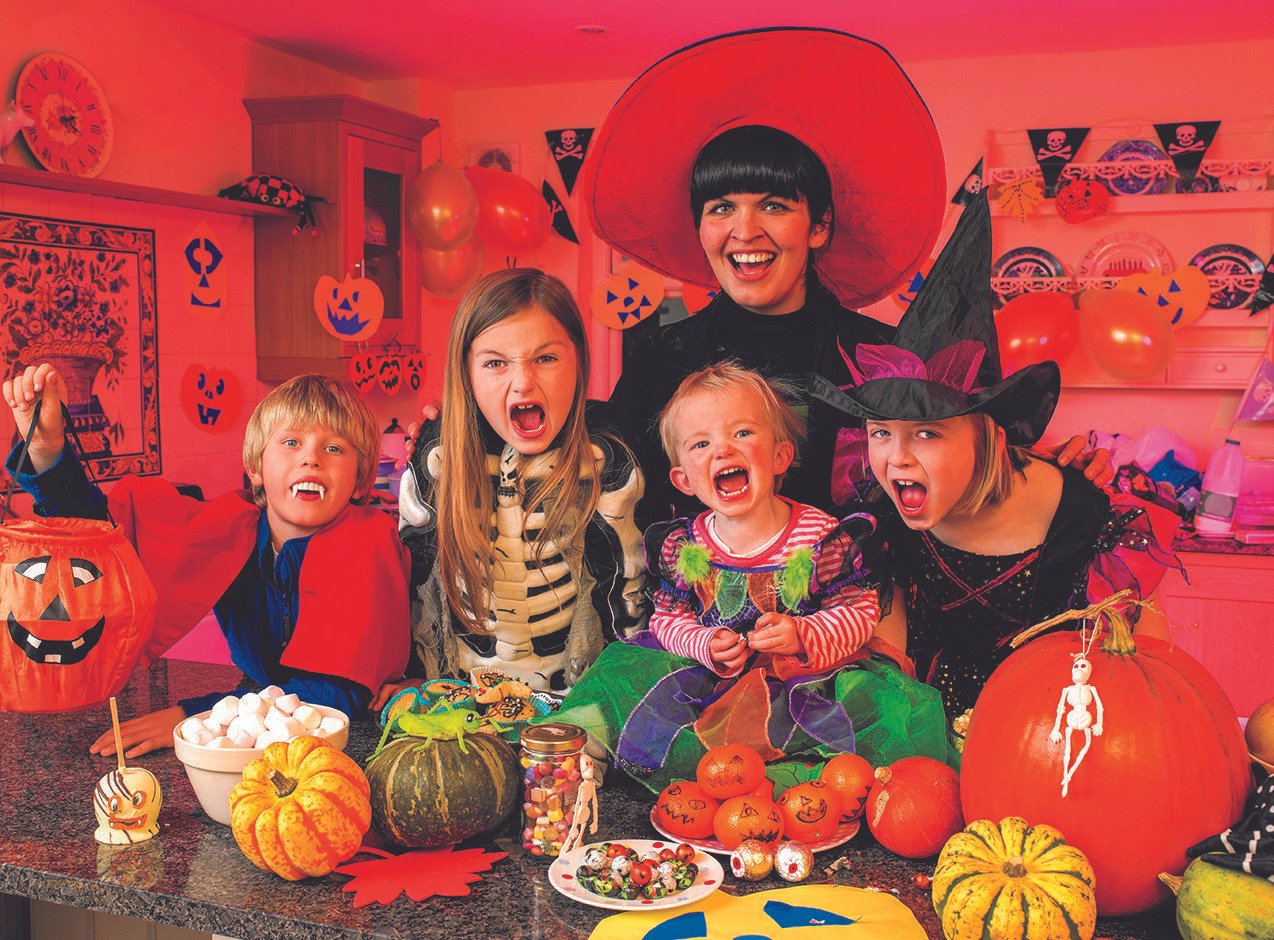
A storybook character party is also an excellent
idea. Ask the invited children to come dressed as a favourite storybook character. They can also bring the book to share with others. Arrange
for a game of 'Questions' to be played to guess each child's
character identity. Some character suggestion could be Elsa / Anna from "Frozen," Harry Potter, Marvel characters, Peppa Pig, and Snow White.
The activities could be themed around the
characters, such as making book jackets that depict their favourite character and stories or even
reading the favourite storybook of the birthday boy or girl. Creating cut-outs
of characters and putting them on a board, or enacting a favourite episode or incidence from the book is also an
excellent idea for a storybook party.
Another idea for a storybook character party is to
help children create their own storybook. Don't forget to take photos of each child, which can then be printed
and glued to the back covers of each
book with a fun biography of highlights about the 'author.'
You could also ask everyone to bring
along one or two of their used books, and a book exchange can be held as part of the party fun. Every
child goes home with a custom-made book and a book or two from the book
exchange.
When it comes to the food at this party, consider
taking cues from favourite storybooks, such as
porridge from "Goldilocks and the Three Bears" or pumpkin
pasties from "Harry Potter."
Chocolate -Making Party
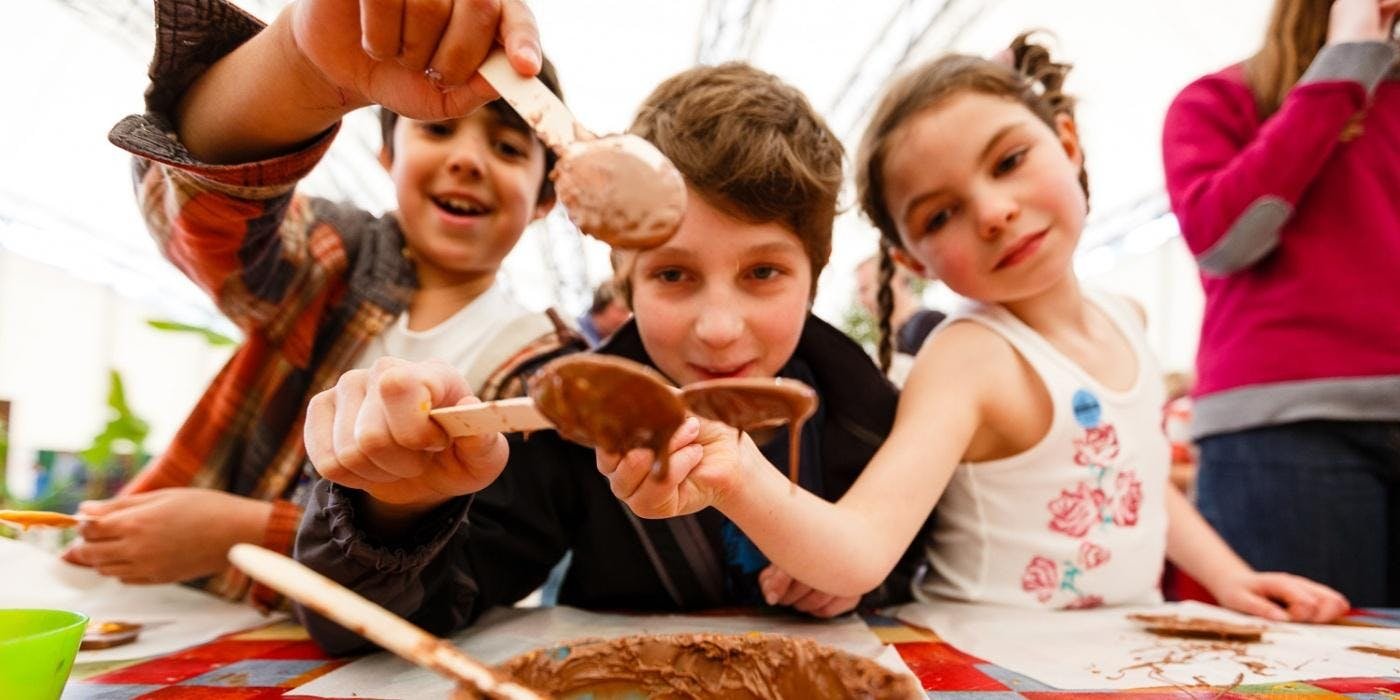
Most children really like to make treats, and who
doesn't love chocolate? This rich, delicious
confection is an easy and popular treat
to make. You can buy several fun, playful moulds
and chocolate melt flavours
in a local craft store, and can even keep a theme, if you like. Melt the
chocolate in a microwave, and the kids may then pour the gooey treat into the moulds. Be as
creative as possible with the decorations and even use lollipop sticks.
The moulds set very quickly
in a fridge or in a freezer, and the clean-up
is easy if covering the work surface
with wax paper.Children love to create their own chocolates. They
can also take the chocolate home to share with
their family.
Garden Party/Carnival
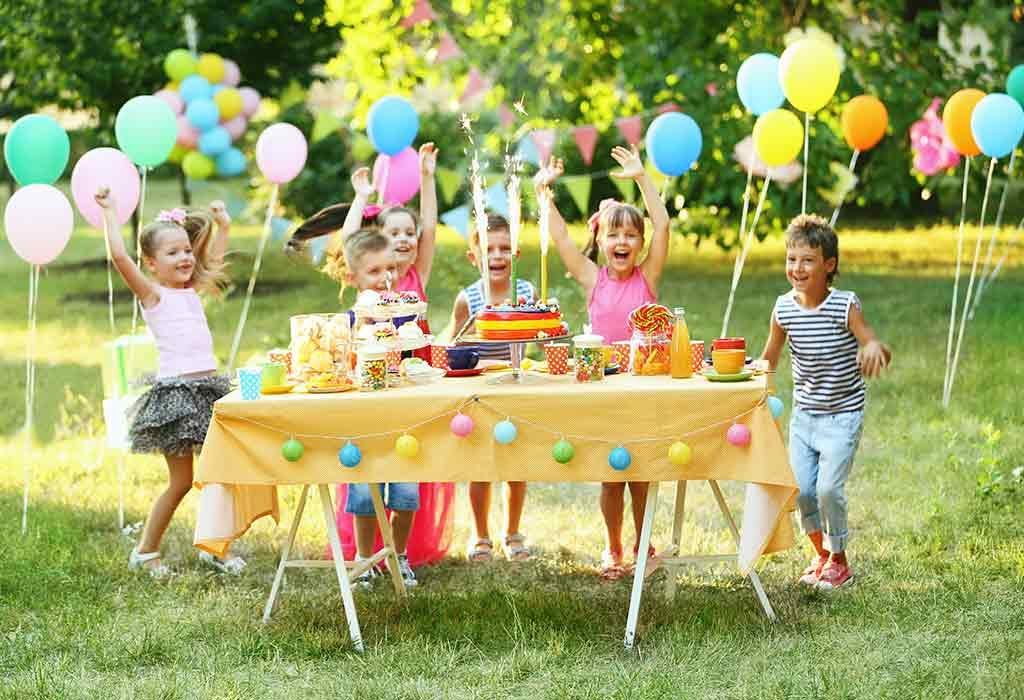
A garden party or carnival is a very fun idea for a
kids' party, but it will take a bit more work to achieve. Keep in mind, however, that the host must have a large
garden or must choose an outdoor space
to pull this type of party off. With some planning and ingenuity, however, one
can easily organise a great party that is more cost effective than a bowling
alley or a children's park.
Some games to play at an outdoor garden party
include a mini golf tournament, a ring toss on soda bottles (to make them festive, fill them with food coloured
water), toss a beanbag constructed and painted
using large discarded appliance boxes, or even a candyfloss and popcorn kiosk.
There could be a fake tattoo stall and face painting.
Give prizes for winners, and don't forget to hire a clown or
other character to serve as the entertainment at the party. The Carnival party
will require a good amount of
pre-planning and equipment.
Craft Party
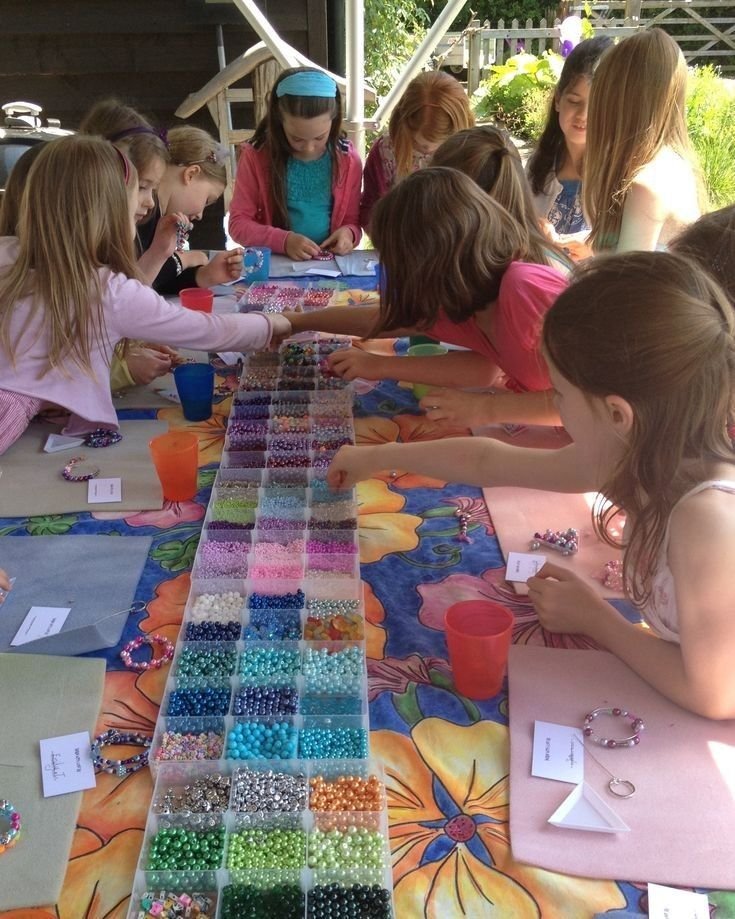
Generally, tween girls adore creating
things, which makes a craft party an excellent choice for this age group. To create this party
theme, purchase to-be-finished items like wooden trinket boxes, pottery,
T-shirts, photo frames, and carry bags. Ensure they are as plain as possible,
as you want to give party goers a blank canvas to be decorated upon. Gift the guests some paints, fabrics,
glue, sparkles, markers, and so on, which they can use as decorating
items. Allow them to design and create what they
want, but also have a few examples of finished crafts available. This will
serve as templates for their creative
energy.
This is a good option for families on a budget, but
those who still wish to hire a party planner. The budget required for a craft party is quite minimal. All that you
require is some off-cut fabrics, glitter, paints, and other usable items. These can be very cheap, yet provide
a lot of fun and memories.
Additionally, since the children will be creating
something to take home, it is not necessary to send the guests home with favours.
So, families don't
need to spend
a lot of money for a crafting
party, and you can be sure that your clients will love this event.
Scavenger Hunt Party
A scavenger or treasure hunt is a thrilling
activity at parties for children of any age group. The main point is to research the items hidden,
and then create
the clues. When creating the clues, it is
important to make them age appropriate. For instance, a group of teenagers will
have more difficult clues than
children who are 8 years old. You also want to make the clues appropriate for the
venue. For instance, a scavenger
hunt party at the beach could be formatted where each child receives a message in a bottle (use water bottles
filled with confetti for a very colourful look) and inside is each child's unique poem with their clues. You
can also theme the clues based on information about the birthday girl or boy.
The children can hunt against
the clock to see who can find the buried treasure. Some suggestions
are a box that contains
movie tickets, book certificates or other gift items.
Every child is a winner during a scavenger/treasure
hunt because there are many prizes available on the course. But the central treasure
is only discoverable by the one child who works out the clues. Children love this because it is a little
competitive. However, it can also be very funny and exciting for the children as they think to work out the
clues.
A Word About Games and Budget
Some parents are concerned that games that result
in losers and winners are not right, yet the
competitive games at a party will always have a place at a children's
birthday party. The point is to ensure
that the gift prizes are quite small; therefore, the other children
participating do not feel jealous.
Consider gifting small sweet packets, or stickers
as little prizes. Also include activities that are non- competitive for the party, such as a craft or a group challenge. Also make sure that you are giving all
children a prize or gift for participating in the activity or games. This way,
everyone can take something home at
the conclusion of the party.
These are simply a few of so many wonderful party
game ideas for those on a limited budget. A few other ideas can be an indoor camping party, a learning to cook
party, or a scrapbook party. When it comes to creating a party, in some cases,
less can definitely be more. Children
do not necessarily require a huge fanfare party or a complete park of petting
animals. What they do most often desire is to simply spend the time with
parents and their friends while enjoying a fun activity with other children.
While themed parties are a load of fun, they can
also be tricky to organise. This is why parents will call upon the expertise of a kids' party planner. This is why
you will require a number of ideas in your
arsenal. You must be ready to step in when your clients call upon you.
Another kind of classification of a party is by occasion.
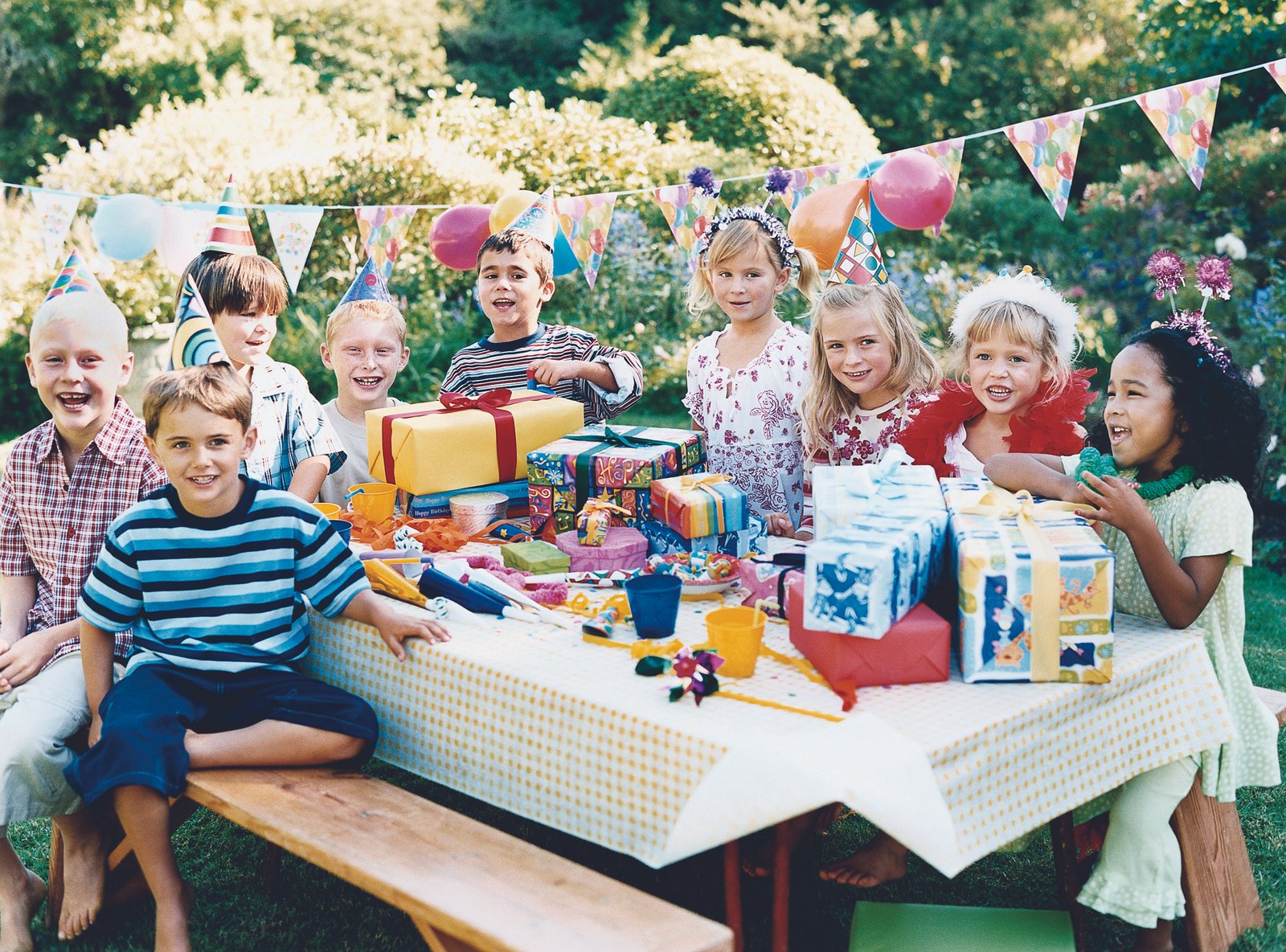
Parties are organised
for many reasons.
Birthday celebrations, a graduation from school, or a
religious event are all excellent reasons to have a party. As there are so many
occasions to celebrate, you can create many types of parties. You will have to have different ideas
for different occasions.Additionally, you must realise that a theme that is
appropriate for a birthday, might not be appropriate for other occasions.
Though it is not essential that a party should
conform strictly to a classification, you will find that the occasion,
age, and theme should be blended together
when planning the party.
Location-Home or Venue?
The location of the party depends upon a few
factors, including the weather, budget, convenience, and the availability of a venue.
If it is difficult or inconvenient to hold a party at client's home,
or there's not enough space, suggest other venues in
your area. With summer parties especially, local parks or free outdoor areas are excellent venues. This gives
plenty of room for the creation of energetic
party games.
If a client is not willing to take the risk of
adverse weather, there are also options. These include soft play centres or local halls. As your business
grows, you will likely find that you can get great deals from the managers
of these venues.
Why? You will be giving them a lot of extra business.
As you get into learning more about party planning
and choosing venues, you will learn a few tips
and tricks. For instance, avoid the peak times, such as the weekends,
half-terms and the school holidays. Often, this is the
time when admission fees may be higher. Another tip is to find out if you can serve your own food at a venue. Some venues require
the purchase of their own food.
As a kids' party planner, it is also consider
partnering with a café of a restaurant in the area. This restaurant or cafe can serve as a venue for the party, if necessary, and provide food. You can make
money by charging a fee to the client for this service. You can also charge a fee to the restaurant for promoting their business.
Summary
There are many different types
of children's parties,
and these can be classified according to the age,
theme or occasion. The benefit of classifying parties is that it gives you a clear idea of what to
include in the party. It also gives you something to talk to your clients about
during the planning process. The kind
of games, decorations, food, and favours all depend upon the organisation of
the party. Classification by age allows you to include
age-specific activities, foods and favours.
Classification by theme allows you to ensure everything works in a cohesive manner.As you keep learning more about planning a party
for kids, you should remember that the location of the party depends
upon the size of the venue. Weather
and the budget of the client will also come into play. Whether to include
competitive games of not would depend much upon the wishes of your client, too. Finally, don't
forget to include
some fun activities for the children
to enjoy.
 |
.svg)



