
8.1 Greeting Guests

If we begin by looking at how you
greet guests, then you need to provide a warm welcome from the moment they enter
the hotel.
This is your one and only
opportunity to make that all important first impression, so you want to get the
relationship with the guest off on the correct foot.
The last thing that a guest wants
is to be greeted by an unfriendly member of staff that lacks the ability to
smile. Instead, they want to be welcomed in a way that immediately makes
them feel at home.

When you are first approached, or
when you first approach them, it is always important to welcome them to the
hotel, and give the name of the hotel, followed by your own name and ask how you
may help them.
It is very important that you
smile, are polite, and come across as being very professional. By doing this, you
will immediately make the guest feel relaxed in your company and that is the
key. You should also look at identifying yourself as the manager.
The power of a wonderful welcome
cannot be underestimated, as it goes beyond the actual words that you utter.
The first welcome creates a sense
of caring as well as showing a certain amount of respect to the guest and this is
something that they will tend to crave as the last thing they are looking for
is to be ignored. It will also help to strengthen their idea that they have
indeed made the correct choice in deciding to stay there.
8.3 The Power of Small Talk

We need to mention the importance
of small talk, but this has to be done within certain limitations.
For example, do not go on about
the weather or anything mundane because it just seems too forced. Instead, make
small talk about their journey or where they have come from or even why
they are staying at the hotel. This is not being curious about them, but it is
more to do with showing an interest in the individual and letting them see that
they are not just another individual that has walked into the hotel.
With small talk, the key is to
judge how they feel about it early on, because continuing to try to make conversation
when they are clearly not in the mood for it will only antagonise them. In
other words, you need to be able to use your skills of reading people to
ultimately decide if this is one avenue that you should go down.
8.4 Taking the Welcome to New Levels

The welcome is not just about
saying hello to them when they enter the hotel.
Instead, providing some kind of
welcome in their hotel room is also important. This idea can vary between hotels,
but even a small welcoming gesture can be enough to help bolster that idea of
them having made the correct decision in booking with you.
The final important point
regarding the welcome aspect is that you must be able to provide them with these
even if they are late in arriving. You cannot show that you are frustrated with
any part of your work as that is not the fault of the guest and it will usually
not be their fault that they are late. They will actually feel even better about
staying there if your welcome is warm and friendly and you make them realise that
nothing is a problem, even though they should have perhaps been there hours ago.
If you do not provide your guests
with a warm welcome, then there is every chance that you will have a difficult
customer on your hands who will be seeking for any issue that can be brought
to your attention.
After asking them how you can
help them, and they inform you that they have a reservation, start the checking
in procedure.
8.5 How to Perform the Checking
In Procedure
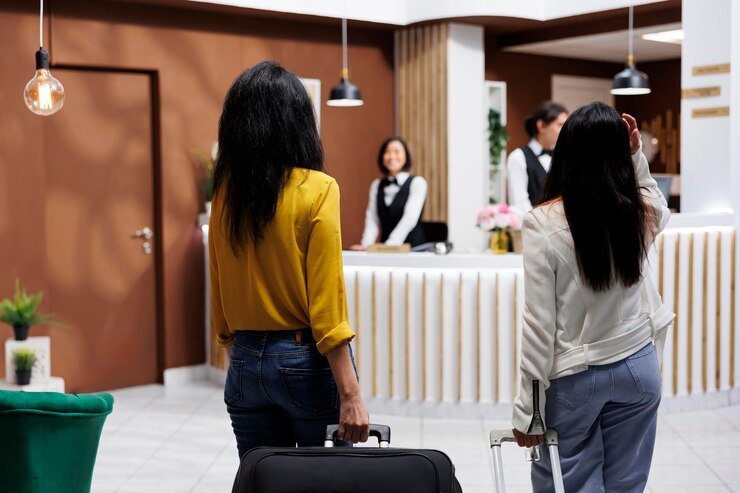
Being able to check in guests is
an absolute basic thing to do as a hotel manager, so by all means it
should work like clockwork thanks to your training and experience.
However, for those that are
completely new at this process, it is important that we run through the entire
procedure from start to finish.
There are various key steps that
must be followed and the basics will not vary a great deal between hotels.
1. The welcome
checking in, it should always be the case that the guest is welcomed within 10
seconds, rather than having them waiting. This does mean that there must always
be staff at reception to welcome them.
2. Ask for their booking
information
identification and whether the individual has a reservation at the hotel. If they
do, check their name and address as well as their booking details, which
may include a reservation number. If this is the case, then double check their
room requirement, as well as the number of nights that they will be staying.
Some hotels may have previously allocated rooms according to the booking, so
make sure that the one you have allocated is still adequate for their needs.
However, there may be times where
the individual has just walked in, and at this point you must follow a slightly
different procedure.
With this situation, you will
need to ask them about the number of nights they require and their preference for
a room. This will involve you informing them of the various options that are
available, as well as what it will cost them. You must then ask if that is suitable
before you can then proceed to the next step of the checking in procedure.
3. Taking the deposit and
Paperwork
The next step is in taking the
deposit for the room. This is usually done via a credit card. Ask the guest how
they would like to pay, as well as telling them how much the deposit is if they
are currently unaware of it, and explain to them how the deposit part works.
The paperwork will involve you
logging into the computer system for the hotel and completing the relevant
sections to make sure that you have entered all of the key information that you
require. This will allow you to keep track of who is in the hotel and where.
With the deposit, take the
payment and have them sign paperwork to complete this part of the checking in
procedure. Supply them with a receipt, as well as any welcome information that
is given to people at this point.
4. Making the room key
If the rooms use key cards for
entry, then this is the point where the key card is activated and given to the
guest.
5. Hand back everything to guests
After this, you should hand back
the identification that you asked for earlier, as well as any paperwork that the
guests handed you showing their initial reservation. Explain to
them the process for the key and ask if there are any questions. Finally, make sure
that you thank them for coming to the hotel and that you hope they have a nice
stay. Stress that if they require any assistance to contact reception.
8.6 Assigning Rooms
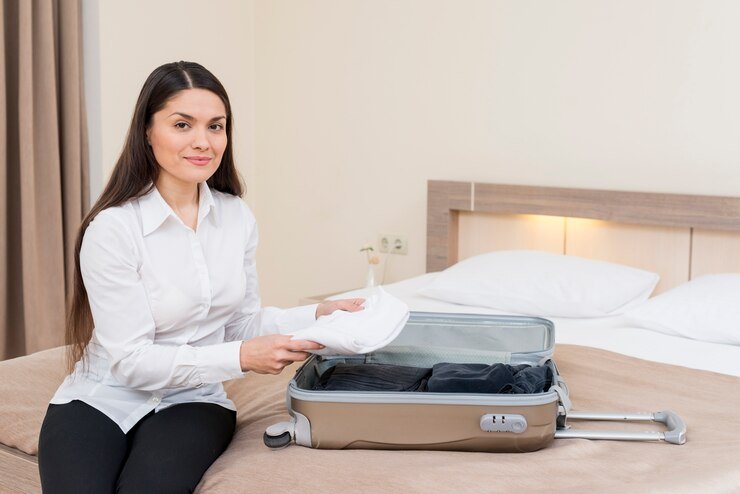
Once the checking in procedure
has been completed, it is time to assign the rooms. Even with this,
there is a set way of doing things, which may vary slightly from hotel to hotel,
but the basics remain the same.
This is certainly more of an art
from than you perhaps realise, and it is good to understand the process to make
sure that the rooms are indeed assigned in the correct manner. The first rooms
that should be assigned are those that have been specifically
requested by the gues tat the time of booking.
They may have mentioned a
particular preference, and it is up to you to accommodate that preference
wherever possible. This allows you to see which rooms are currently available
for any given date, which is extremely useful should there be any late bookings
or even people walking in offthe street and looking for accommodation.
Typically, there is a kind of
hierarchy when it comes to assigning rooms, although this is one of the things
that can vary between hotels.
1. Regular customers get better
rooms
This makes perfect sense, but if
you have individuals that are regulars to the hotel, then you want to make sure
that they have the best possible time in the best room that is available at
their desired price range. Try to leave some of your best rooms within a
particular price bracket available for this very purpose, because you want to make
sure that they keep coming back due to the enjoyable experience that they have
there.
2. How was the booking made?
It is often the case that people
that pay the full price will get a better quality room than those that purchase
the room via a discount website. Look at the type of booking and then assign a
room accordingly.
3. The reason for staying
Hotels will also take into
account the reason why an individual is staying there when assigning rooms. A
couple for an anniversary will often be given a better room to make the
occasion that bit more special, because it is your job as the hotel manager to
make sure that the guest has the best possible experience.
FACT
Of the 730,258 hotel rooms in the
UK, the largest segment is now independent hotels (51%)
Source: Hotelindustry.co.uk
8.7 Assigning for Groups
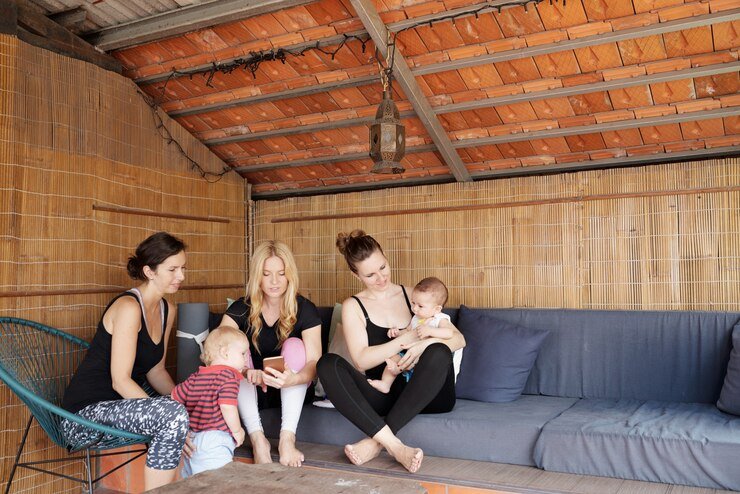
We should also mention assigning
rooms for groups as it will often
be the case that they want to be
beside one another as much as possible.
This is relatively easy to do, as
they should specify that this is the case when the initial reservation is made,
and you can then block book a number of rooms in the same area at the same
time. You need to understand your hotel to determine where they can fit in
depending on the size of the group, but it is still another important aspect of
assigning rooms.
8.8 Interaction Between Staff

Assigning rooms when people walk
in from the street looking for somewhere to stay requires some careful
interaction between staff, in particular between the person on reception and the
head housekeeper.
The key here is to find out if
the guest has any particular preference and to then discuss this with the
housekeeper to determine if one of the rooms that are known to be free is
actually available or how long it will be until it is ready. The housekeeper can
then inform you as to the options available and the appropriate room can then be
assigned.
With assigning a room, it is
important that you take several key points into consideration to try to make sure
that guests generally get what they want and are happy with the room that they
have been given. This is all about both hotel management as well as people
management.
8.9 How to Complete the Checking
Out Procedure
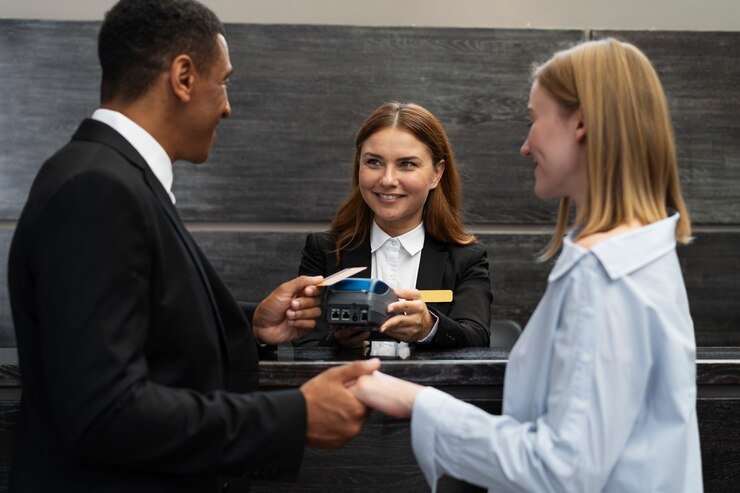
Finally, we have to examine the
checking out procedure, because this is also seen as being
extremely important, not only from an administrative point of view, but also as
it is the last remaining part of contact with the guest.
As with the checking in
procedure, there are certain protocols that must be followed by staff
and the basics will largely remain the same no matter the hotel although systems
may vary slightly from time to time. However, as long as you keep the following
in mind, then the checking out process should be plain sailing. Remember, you
want this to all go as smoothly as possible.
Prepare for guest departure
First, understand which guests
will be checking out on any given morning. This has to be done early in the
morning, since your checking out time can vary from anywhere between 9amto
12pm.
By doing this, you can prepare
the relevant paperwork in advance for each guest to cut down on the time that they
will have to wait around at reception.
Also, if your hotel operates an
express checkout, then it may be the case that you need to organise the updated
bill to be delivered to the room of the guests that are checking out.
Dealing with the guest as they
checkout
When the guest comes to reception,
be polite and professional as you address the mind always ask if they enjoyed their
stay. You may also find that your hotel has a checklist of things that
you need to ask the guests; for example, checking if they have taken any
belongings from the safe in the room and also if anything has been taken from the
mini bar. It can also be seen as being extremely professional to see if you can
arrange transport for them to their next destination.
Get the guests to check their
paperwork
While you are doing this, you need
to hand them the relevant paperwork and have the guest check that the details
that are on there, including the total cost, are indeed correct. If there is
any doubt about a part of it, then inform them that you will look into it
immediately, as mistakes can be made and it is how you then deal with them that is
the important part.
Process any payments
After this, you need to process
the payment, so confirm the way in which the bill is being settled and then
follow the correct procedure for that form of payment. Once the payment has
been completed, provide the guest with a copy of their receipt to show that
their bill has been cleared.
Don't forget the keys!
One of the final points is to
then ask for the room key and remember to complete your own paperwork that
allows you to see that the room key has been returned. You may then
wish to ask the guest if they have any feedback or comments regarding their stay.
Finally, thank them for their
custom, and if you need to hire a taxi for them to get them to their next destination,
do this, and inform them that they can wait in reception until it arrives.
The checking out procedure is
very easy to follow and it is almost impossible to make a mess of it. The key
is to always be professional and polite as that is what guests are seeking and
the last thing you want to do is to ruin a perfectly good stay by mishandling
this particular part of the process.
Summary of Module
This module has focused on both
the checking in and checking out procedure that you will basically have to
follow as the hotel manager. It also looked at how to welcome and greet the
guests and the art form that is assigning a room. Nothing is complex as long as
the correct systems are in place, in which case everything should work like
clockwork.
.svg)



