
Module 1-Fenestration Standards, Performance Metrics & Sustainability Trends

1. UK & International Fenestration Standards
Building Regulations (Part L, F, Q)
Part L (Conservation of Fuel & Power): Governs thermal efficiency, requiring windows and doors to meet strict U-value limits (currently ≤ 1.4 W/m²K for new builds).
Part F (Ventilation): Ensures adequate airflow, particularly for trickle vents in windows to prevent condensation.
Part Q (Security): Mandates robust entry doors and accessible windows to resist physical attack (aligned with PAS 24).
PAS 24 (Security)
A UK standard for enhanced security performance of doors and windows.
Tests resistance to forced entry (e.g., manual attacks, drilling, and impact).
Required for developments needing Secured by Design (SBD) certification.
BS 6375 (Performance of Windows & Doors)
Part 1: Classification for weathertightness (e.g., resistance to wind and rain).
Part 2: Operational performance (e.g., durability of opening mechanisms).
Part 3: Test methods for air permeability, water tightness, and wind resistance.
BS 8213 (Windows & Doors)
Covers installation, maintenance, and service life expectations.
Provides guidance on thermal movement, sealing, and frame deflection.
EN 14351 (CE Marking & Product Standards)
European standard for windows and doors, covering:
Mechanical strength & durability.
Safety in use (e.g., finger-trapping hazards).
CE marking compliance for UKCA post-Brexit.
2. Performance Metrics & Testing

U-values (Thermal Transmittance)
Measures heat loss (W/m²K); lower values = better insulation.
Current UK requirements:
New builds: ≤ 1.4 W/m²K (Part L 2022).
Retrofit: ≤ 1.6 W/m²K.
Solar Gain (G-value / Solar Factor)
Indicates how much solar heat passes through glazing (0-1 scale).
High G-values (≥0.5) beneficial in passive solar designs but may cause overheating.
Air Permeability (Class 1-4)
Measures air leakage under pressure (Class 4 = best sealing).
Critical for energy efficiency and preventing drafts.
Acoustic Ratings (Rw, Rw + Ctr)
Rw: Standard sound reduction index (e.g., Rw 35dB = good for urban areas).
Rw + Ctr: Adjusted for low-frequency noise (e.g., traffic).
Impact Resistance
Tested under BS EN 12600 for safety glazing.
Laminated glass typically used in high-risk areas.
3. Sustainability & Future Trends
Low-Carbon Materials
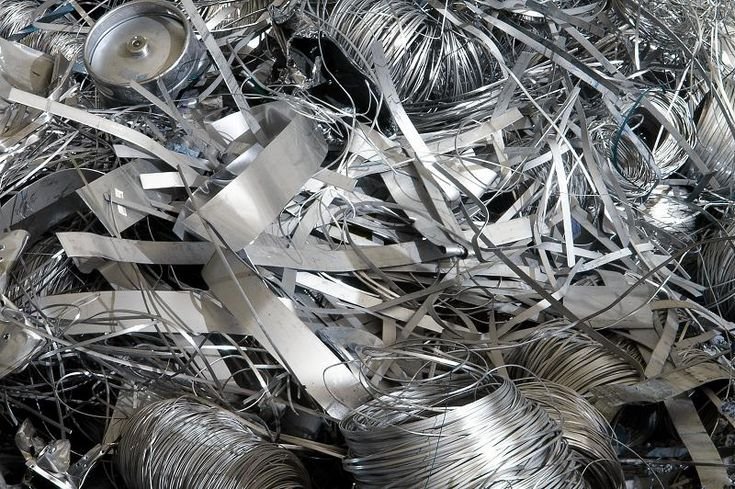
Recycled Aluminum: Reduces embodied carbon vs. virgin material.
Thermally Broken Frames: Minimizes heat transfer in metal windows.
Timber & Composite Frames: Renewable options with high insulation.
Smart Glazing Innovations
Electrochromic Glass: Tints on demand to control solar gain.
Photovoltaic-Integrated Glazing: Generates solar power while functioning as a window.
Self-Cleaning Coatings: Reduces maintenance needs.
Future Regulatory Shifts
Net-Zero Compliance: Stricter U-values (≤ 0.8 W/m²K by 2030).
Circular Economy: More focus on recyclability and reusability of fenestration products.
Conclusion
Understanding these standards and metrics ensures fenestration products meet safety, efficiency, and sustainability demands. Future trends point toward smarter, greener solutions aligned with evolving regulations.
.svg)



