
6.1: A Story without Characters is Just a Book
Your characters are what bring your story to life. Without characters your plot will be meaningless, no matter how many epic battle scenes, dragon kingdoms and missions to outer space there are. Your readers need to experience the drama through the eyes of the characters. They need to feel their sorrow, share their joy, agree or disagree with their decisions. They need to care what happens to them. Imagine reading a book about World War I with no characters, just a commentary of what happened. Next you read one with characters that include a soldier in the trenches, a wife at home, and a child who's been evacuated to another town. Suddenly you are in the midst of the action and you see it through their eyes and see how they are affected by it.
6.2: Finding and Using Inspiration for Building Characters
So how do you create good and convincing fantasy book characters? Well it helps to have a lot of research under your belt, so it's back to the library again to pick up more books. This time choose some other genres as well as fantasy. Read a wide range of everything and anything from award-winners to best-sellers to run-of-the-mill fluff. Soak up all the different characters and think about whether you liked them, what you liked about them, whether you empathized with them, and how the author achieved getting all this feeling from you. Pay attention to the dialogues and however else the writer lets you get to know his characters. Another great way to get inspiration for character building is to people watch. It's a favorite pastime of many while having a cup of coffee and wondering about all the lives going on around.
Now you can do it for a reason: research. Observe the sad-looking man at the table next to you. Why does he look sad? Is it the slightly hunched posture, the faded look in his eyes, the way he dejectedly plays with his tie? What about the smug-looking teenager in the corner sipping on a frappuccino?
There are people everywhere who you can use as your muses. Imagine them when writing about your characters. What was it that made him look so smug? Oh yes, I remember, it was the way he...Of course you don't only have to look to strangers for inspiration. Friends, family and colleagues all provide plenty in the way of different personalities to study, and this time you know the background so there's no guess-work to be done. You don't need to base your whole character on someone but you can build them by taking a little of what you want from everyone, as well as inventing some traits of your own. In a fantasy book this is especially true as it's doubtful that you know anyone with any magic powers.
6.3: Developing Profiles and Personalities for Your Fantasy Fellows
It's important that your characters each have their own personality, including strengths and weaknesses like anyone else. If you create a character who is handsome and popular, rich and successful, and has never had any problems in his life, he's probably going to be very difficult for your readers to relate to. Your characters are human. Your readers are human too. Humans make mistakes. If you give your characters problems then they instantly become more realistic, and also your readers will connect with them more. Before starting your fantasy novel you probably have some characters in mind but maybe they are just vague ideas. Now is the time to write detailed biographies for each of your main characters.
Start with the basic details like name, age, birthplace, occupation, family members, physical appearance, etc. Then branch into more details about their personalities. A good way to do this is to interview your characters. Ask them probing questions such as what their childhood was like, why they chose their particular occupation, how they cope with anger and if they've ever been in love. You can go so far as to write each of your characters a back-story for their whole lives. A character should have dreams and motivations just like anyone in real life, and showing your readers that they are more than just a pawn in your storyline will make them appear three- dimensional and real. Reveal how they approach situations, deal with problems, and judge those around them. And then bring to light any reasons from their past that might make them act a certain way or have opinions one way or the other.
6.4: Adding a Spoonful of the Supernatural
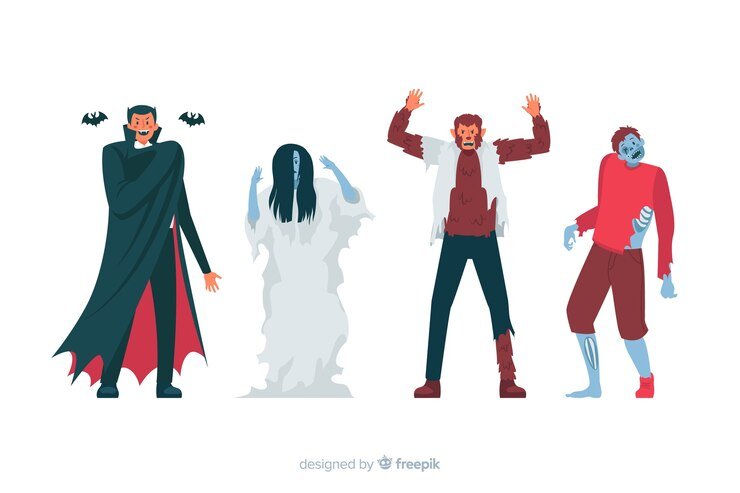
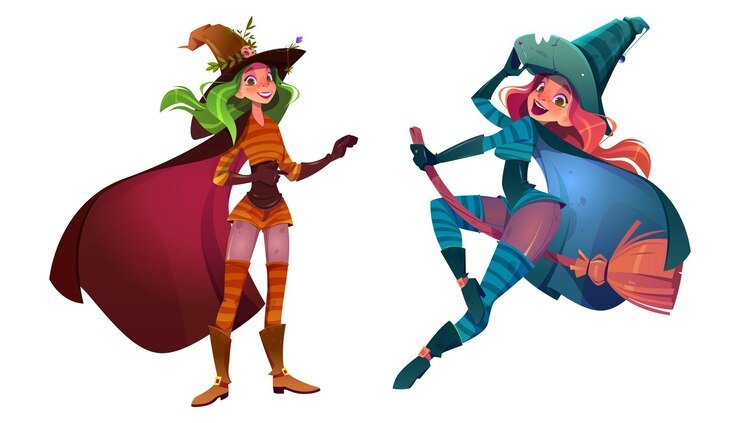
As a fantasy writer you'll have one more layer to add to some of the characters you've built, and that's where it comes to magic powers. There are so many possibilities that you should definitely try out a few options first. Your character could be a mind reader or could be able to travel through time. They could be a traditional witch with a cauldron and a spell book, they could be extra strong and able to fly, or they could wear a bat costume and drive a fancy car. Well I guess the last one didn't have any powers but you get the idea and no doubt you'll be able to come up with much more original examples. Even if you're working on a character that won't have any supernatural powers, you should find something strange or quirky to add to their personality or backstory. It could be that they grew up in a travelling circus, or simply that they have trouble sleeping. Maybe they have an irrational fear of saucepans. Whatever it is, it will bring added interest to the character and hopefully prompt the reader to ask questions and read on to find out more.
6.5: An Alternative Method of Building Characters
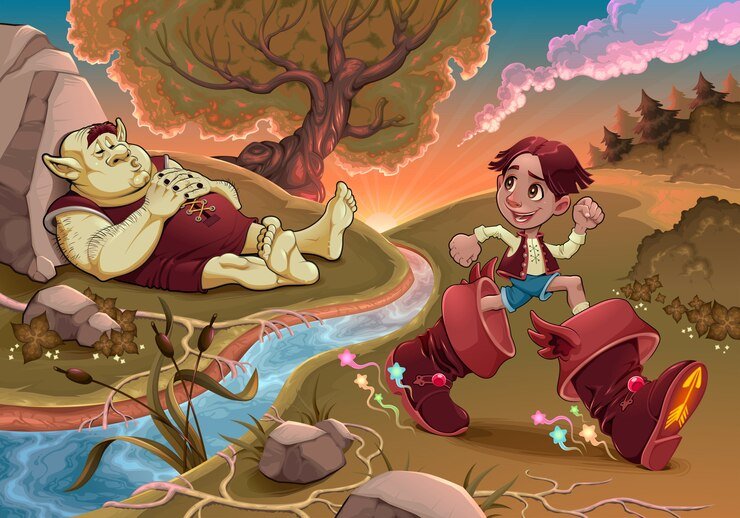
Another way to build characters is to let them build themselves as you write your novel. This is a more intuitive way of writing, but you may run into trouble if you don't know your characters well, they may become confused with changing personalities and your readers will pickup on inconsistencies. You may have to throw away your first draft, but no doubt you'll have learnt a lot about who your characters are in the process. It's up to you which method you choose but most authors prefer to know their characters pretty well before starting the book.
6.6: Bringing Your Characters to Life in Your Fantasy Novel
When it comes to writing about your characters it can be very tempting to want to info dump all of the information about them to your readers. However this is not only boring for the reader, but it also won't work. If you write that one of your characters is a very rude woman, your readers will just have to accept this with no proof. If you show that she is rude, by her interactions with other people and the effect it has on them, your readers will discover that she is rude for them. Let your readers get to know your characters just like they would get to know real people; slowly and based on their actions and interaction with others. You can also use dialogue to bring your characters to life by the way they talk, the vocabulary they use, and their tone of voice. You can make them abrupt or funny or chatty or socially awkward and you can give them accents or speech impediments. Dialogue is a powerful way to show your readers how your characters behave around and react to others. We'll come back to more about how to write quality dialogue in a later module.
6.7: Creating Creatures, Beasts, Monsters, Aliens, Etc.
So we've covered how to build amazing fascinating characters that are human. But often in the fantasy world there is a lot more out there than just the human race. Your hero or heroine may find themselves facing all kinds of strange beasts on their quest, and your job is to make them as original as possible. What's great about writing a book compared to making a film is that you don't have to ever think about how much it would cost, or if it's even possible to build your creature. As long as you can convey the image successfully to your readers, you can make your non-humans as ridiculous as you like. Having said that, you should still keep things fairly believable as far as your readers are concerned. For instance, inventing a huge purple gelatinous blob and making it a great and respected warrior might be pushing things a little too far. Just like your human characters you will need to think about what your non-humans are like and build profiles and personalities for them. Can they speak? What language? Are they intelligent? Where do they come from? Many of the same questions can be asked in order to build up a biography for all of your aliens, creatures and beasts.
6.8: Don't Forget About the Minor Characters
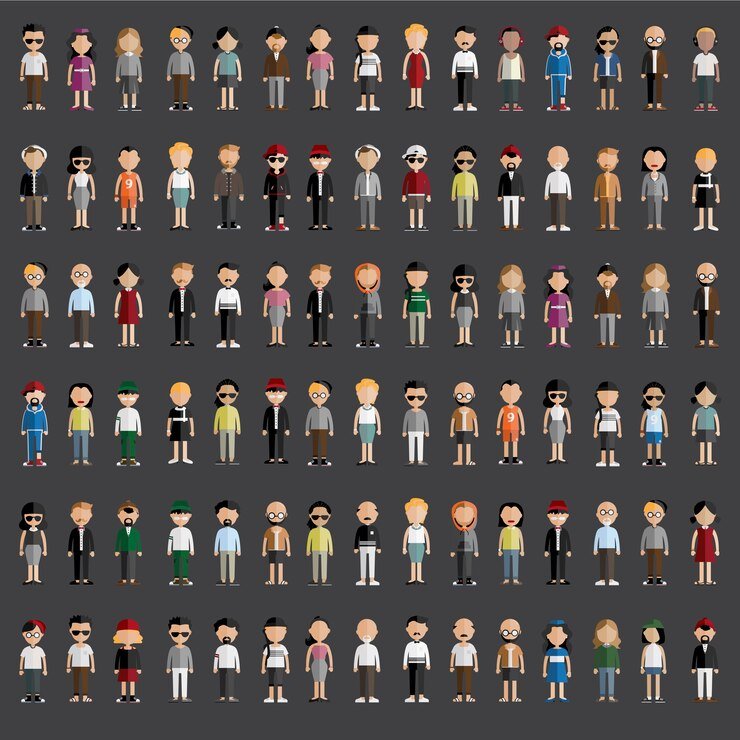
As well as your set of main characters you will also need to use other characters who exist for the purpose of the story. How much you reveal about their personality depends on how much of a part they play, but you definitely don't need to develop your minor characters as much as your main characters. In fact your readers will get frustrated if you do, wondering why they wasted their time reading about and getting to know a character who ended up being insignificant. Your minor characters are like extras in a movie. Without them the story wouldn't work or seem real, but we also don't need to know much about them and often they are there just as part of the scene. Imagine that your teenage character is sent to the headmaster's office. We can build up enough information from the thoughts of the teenager and the dialogue between the two to portray the headmaster as being terrifying, old, miserable, smelly, etc. The reader gets enough information to be able to empathize with the teenager, but little enough to be appropriate for the headmaster's part in the story. If the headmaster reappears in the story a little more could be revealed about why he is the way he is.
Module 6
Summary
Lessons Learned When building characters you need to think about many things. First they need to play their part of the story and deliver whatever purpose it is that they have. They also need to be memorable to your readers by being interesting and unique in both appearance and personality. They need to be believable and have problems like anyone else so that the readers are able to relate to them. When writing fantasy books it is also important to think about any supernatural powers a character might have and the story behind how they acquired them. you may also need to develop some non-human beings which will also need profiles and personalities depending on the part they play within the story and the level of their intelligence. Finally when it comes to creating minor characters don't bog your readers down with more information than they need.
.svg)



