
Module 2: Design and Engineering Considerations
2.1 Load Analysis (Wind, Seismic, Dead Loads)

Curtain walls must withstand various structural forces while maintaining performance and safety.
Wind Loads
Calculation Methods: Based on building codes (e.g., ASCE 7, EN 1991-1-4) considering location, height, and terrain.
Pressure & Suction Forces: Negative pressure (suction) on high-rise buildings can be critical.
Dynamic Effects: Vortex shedding and oscillations in very tall or flexible structures.
Seismic Loads
Movement Accommodation: Buildings in earthquake zones require slip joints, flexible anchors, and ductile materials.
Differential Movement: The curtain wall must allow for independent movement relative to the building frame.
Dead Loads (Self-Weight)
Glass & Frame Weight: Heavy glass (e.g., laminated or insulated units) increases load on anchors.
Support Systems: Mullions must resist long-term deflection under their own weight.
Live Loads & Impact Resistance
Maintenance Loads: Worker access, cleaning equipment.
Impact Resistance: Especially critical in hurricane-prone areas (e.g., Miami-Dade County standards).
2.2 Thermal and Acoustic Performance
Thermal Performance (U-Value, Condensation Control)
Thermal Breaks: Insulated barriers in aluminum frames to reduce heat transfer.
Low-E Coatings: Reflective glass coatings minimize radiant heat exchange.
Spacer Technology: Warm-edge spacers in insulated glass units (IGUs) reduce edge heat loss.
Condensation Risk Analysis: Prevents moisture buildup in cold climates.
Acoustic Performance (Sound Transmission Class - STC)
Laminated Glass: PVB interlayers dampen sound vibrations.
Air Cavities: Double-skin facades or thicker air gaps reduce noise transmission.
Sealant Integrity: Gaps or poor seals can significantly degrade acoustic performance.
2.3 Water and Air Infiltration Prevention
Water Penetration Resistance (AAMA 501.5, ASTM E331)
Pressure Equalization: Rain-screen principles to balance internal/external pressure.
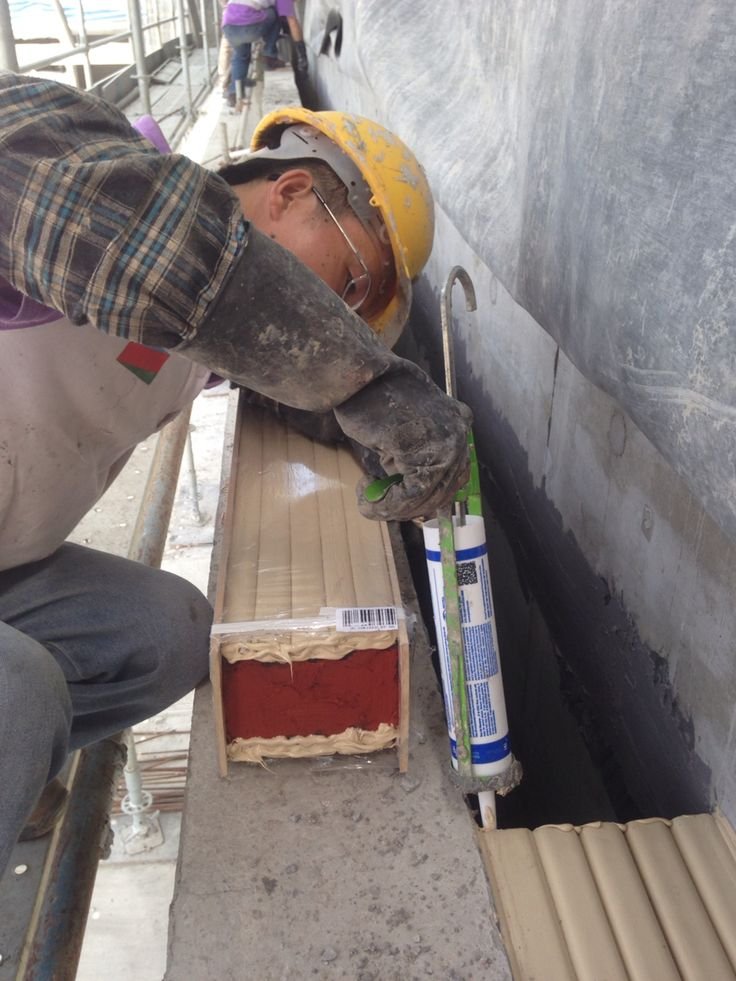
Sealant Joint Design:
Backer Rods & Sealants: Proper depth-to-width ratio for movement and sealing.
Silicone vs. Polyurethane: Silicone offers better UV resistance and flexibility.
Drainage Pathways: Weep holes and concealed channels to redirect water.
Air Infiltration Control (ASTM E283, AAMA 501.1)
Gasket Systems: Compression gaskets at frame intersections.
Air Barrier Continuity: Integration with the building’s overall air barrier system.
Testing Protocols: Mock-up chamber tests to verify performance before installation.
2.4 Expansion Joints and Movement Accommodation
Thermal Expansion & Building Movement
Aluminum vs. Steel Framing: Aluminum expands ~2x more than steel under heat.
Joint Sizing Calculation: Based on material coefficient, temperature range, and panel size.
Types of Movement Joints
Slip Joints: Allow vertical movement (e.g., floor-to-floor deflection).
Butt Joints with Gaskets: For horizontal expansion.
Structural Silicone Joints: Used in structural glazing for flexibility.
Anchorage Systems
Fixed vs. Sliding Anchors:
Fixed Anchors: Resist lateral loads.
Sliding Anchors: Allow vertical movement to accommodate building settlement.
Tolerances & Adjustability: Shim systems for fine-tuning alignment.
Key Takeaways
Load Analysis ensures structural integrity under wind, seismic, and self-weight forces.
Thermal & Acoustic Design impacts energy efficiency and occupant comfort.
Water & Air Tightness relies on sealants, gaskets, and pressure management.
Expansion Joints prevent stress buildup from thermal or dynamic movement.
.svg)



