
Module 2: Materials and Performance
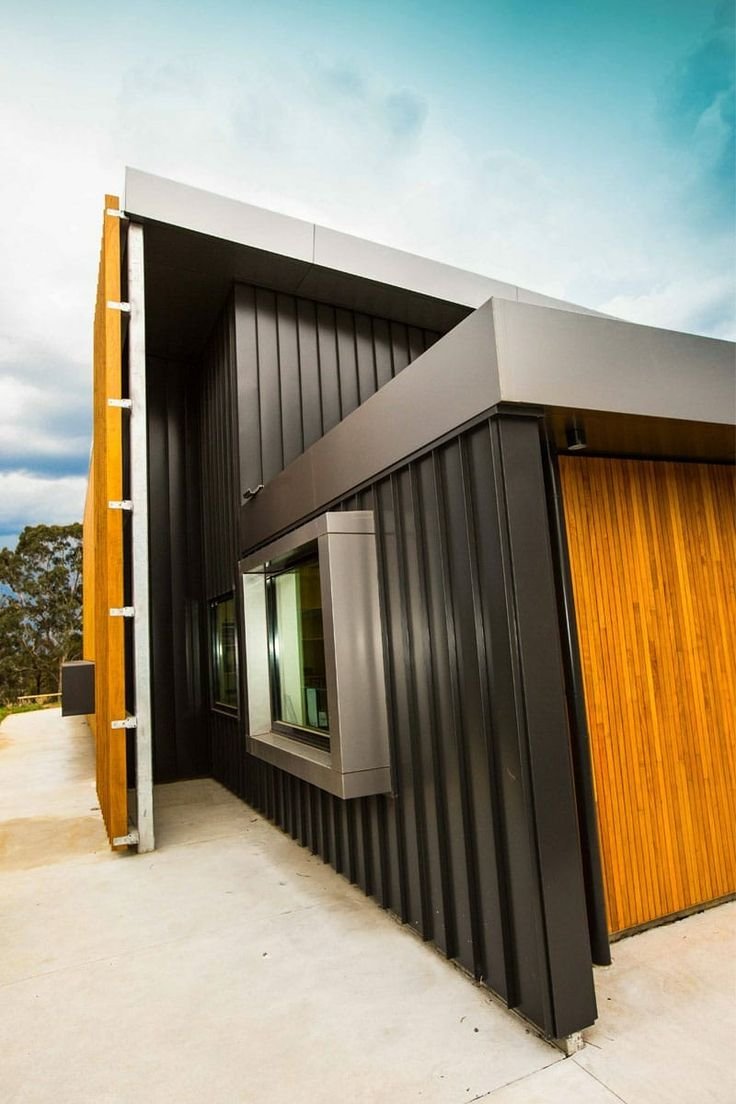
1. Material Science for Cladding
Cladding materials must meet strict performance criteria in thermal efficiency, fire safety, durability, and environmental impact.
A. Thermal Properties:
U-Values (Thermal Transmittance):
Measures heat loss (W/m²K); lower values indicate better insulation.
Cladding systems must comply with Part L Building Regulations (e.g., U-value ≤ 0.30 W/m²K for walls in new UK buildings).
Condensation Risk:
Poorly designed cladding can lead to interstitial condensation, causing mold and structural decay.
Mitigated using vapor barriers, breathable membranes, and thermal breaks in metal cladding.
B. Fire Performance:
Reaction to Fire (Euroclass Ratings):
Classifies how materials contribute to fire spread (A1 non-combustible to F flammable).
Critical Ratings:
A2-s1,d0: Limited combustibility, minimal smoke/droplets (required for high-rises post-Grenfell).
B-s3,d2: Combustible with higher smoke/droplet production (restricted in tall buildings).
Fire Resistance:
Measures how long a system can contain fire (e.g., EI30, EI60 for integrity/insulation).
Cavity Barriers & Fire Stops: Essential in rainscreen systems to prevent vertical flame spread.
C. Durability & Environmental Impact:
Weather Resistance:
Metals (e.g., anodized aluminum, stainless steel) resist corrosion; timber requires preservatives.
Lifecycle Assessment (LCA):
Evaluates environmental impact from production to disposal.
Sustainable Choices: Recyclable metals, FSC-certified timber, low-carbon terracotta.
2. Composite Cladding Deep Dive
.jpg)
Composite panels (e.g., ACM, MCM) are lightweight and versatile but face strict fire safety regulations.
A. Core Materials:
Polyethylene (PE) Core:
Highly combustible – banned in high-rises post-Grenfell.
Used in low-rise façades where fire risk is minimal.
Fire-Retardant (FR) Core:
Mineral-filled (e.g., ~70% mineralized polyethylene) to slow combustion.
Still restricted in tall buildings (typically requires A2-s1,d0 or better).
A2 Non-Combustible Core:
Mineral cores (e.g., rock wool, aluminum trihydroxide) meeting Euroclass A2.
Mandatory for buildings >18m in the UK/EU.
B. Testing & Certification:
BS 8414 (UK):
Large-scale test simulating a cladding fire (7m tall rig with propane burner).
Pass/fail criteria: Temperature rise ≤ 200°C at cavity level after 15 minutes.
NFPA 285 (USA):
Evaluates fire spread in multistory wall assemblies (required for combustible cladding).
Certification Schemes:
CE Marking (EU), UKCA Marking (UK): Confirms compliance with safety standards.
Third-Party Certification (e.g., FM Global, LPCB): Ensures independent validation.
Key Takeaway:
Fire safety is paramount in cladding material selection, especially post-Grenfell.
Testing protocols (BS 8414/NFPA 285) ensure systems mitigate fire risks in real-world conditions.
.svg)



