Module 5: Advanced Decorative Techniques – Detailed Explanation
Faux Finishes: Marble, Wood Grain, Stenciling
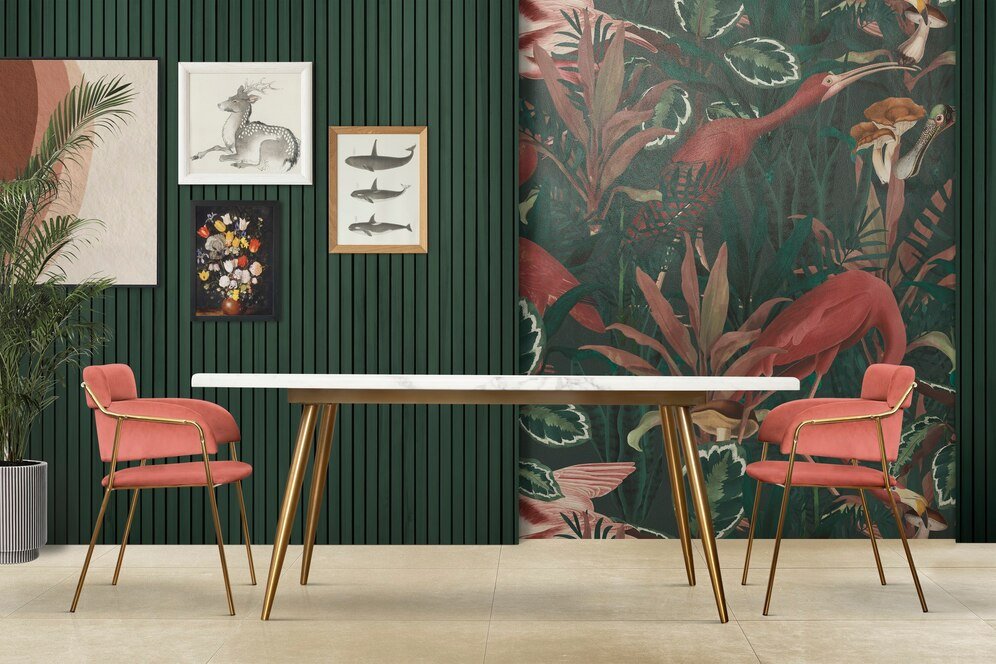
Advanced decorative painting techniques allow surfaces to mimic premium materials or create unique artistic effects:
Marble Faux Finish
This sophisticated technique replicates the veining and luminosity of natural stone. Artists layer translucent glazes over a base coat, using feathering tools or dry brushes to create organic veins in contrasting colors. The process requires studying real marble patterns and often incorporates metallic waxes for authentic mineral highlights. Professionals use this for fireplace surrounds, columns, and furniture to achieve luxury without the cost of real stone.
Wood Grain Effect
Using specialized combs and graining tools, painters transform smooth surfaces into realistic oak, mahogany, or walnut finishes. The technique involves applying a base coat followed by a tinted glaze, then manipulating the wet glaze with graining tools to create growth rings and pore textures. This is particularly valuable for matching modern materials to historic woodwork during restoration projects.
Stenciling Techniques
Modern stenciling goes beyond simple patterns, enabling complex multi-layer designs with dimensional effects. Using laser-cut mylar stencils, decorators can apply metallic foils, textured pastes, or shadow effects. The key to professional results lies in precise registration (alignment of sequential layers) and using stencil adhesives to prevent bleeding. Contemporary applications include feature walls, floor borders, and furniture detailing.
Murals & Custom Art: Planning, Scaling, and Executing Designs
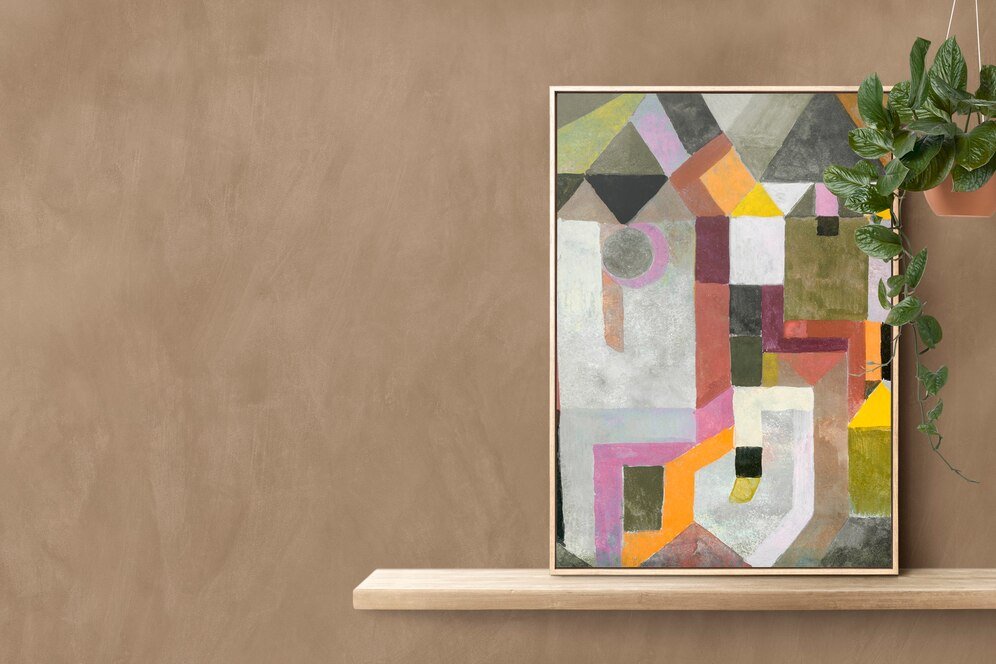
Creating large-scale artwork requires methodical planning and specialized painting skills:
Design Planning
Artists begin with client consultations to determine style preferences, from photorealistic scenes to abstract designs. Digital tools like projectors or grid systems help transfer scaled designs to walls. Professionals often create sample boards to test color interactions under different lighting conditions.
Execution Techniques
Muralists use a combination of brushes, airbrushes, and spray paints to achieve various effects. Layering is critical - starting with background washes and progressively adding detail. For exterior murals, UV-resistant paints and protective coatings ensure longevity. Many artists now incorporate mixed media, such as textured pastes or metallic leaf, to add depth.
Commercial Applications
Beyond residential spaces, custom murals enhance restaurants, schools, and public spaces, often serving as branding elements or wayfinding features. The rise of 3D trompe-l'oeil murals has created new opportunities in architectural enhancement.
Gold Leaf & Gilding: Traditional and Modern Applications

This ancient technique continues to offer unparalleled luxury in contemporary design:
Traditional Water Gilding
The most prestigious method involves applying genuine gold leaf over a prepared gesso base, then burnishing to a mirror finish. Used for antique restoration and high-end architectural details, this technique requires humidity control and specialized tools like gilder's tips and agate burnishers.
Modern Adaptations
Today's decorators often use synthetic leaf or gold paints for more accessible applications. Innovations include:
Composite Gilding: Combining gold leaf with patinas for aged effects
Glass Gilding: Creating mirrored or translucent effects on transparent surfaces
Digital Integration: Using gold leaf as accent elements in printed wallcoverings
Commercial Uses
From luxury retail spaces to high-end residential projects, gilding adds instant opulence to furniture, ceilings, and decorative objects. The technique has seen renewed popularity in boutique hotels and prestige retail environments where creating a sense of exclusivity is paramount.
Conclusion
These advanced techniques represent the intersection of craftsmanship and artistic expression in the decorating trade. Mastering them requires both technical skill and creative vision, but offers decorators opportunities to work on exclusive projects and command premium rates. The key to success lies in continuous practice, with many professionals developing signature styles that become their market differentiator.

.svg)



