
Module 2: Surface Preparation – Detailed Explanation
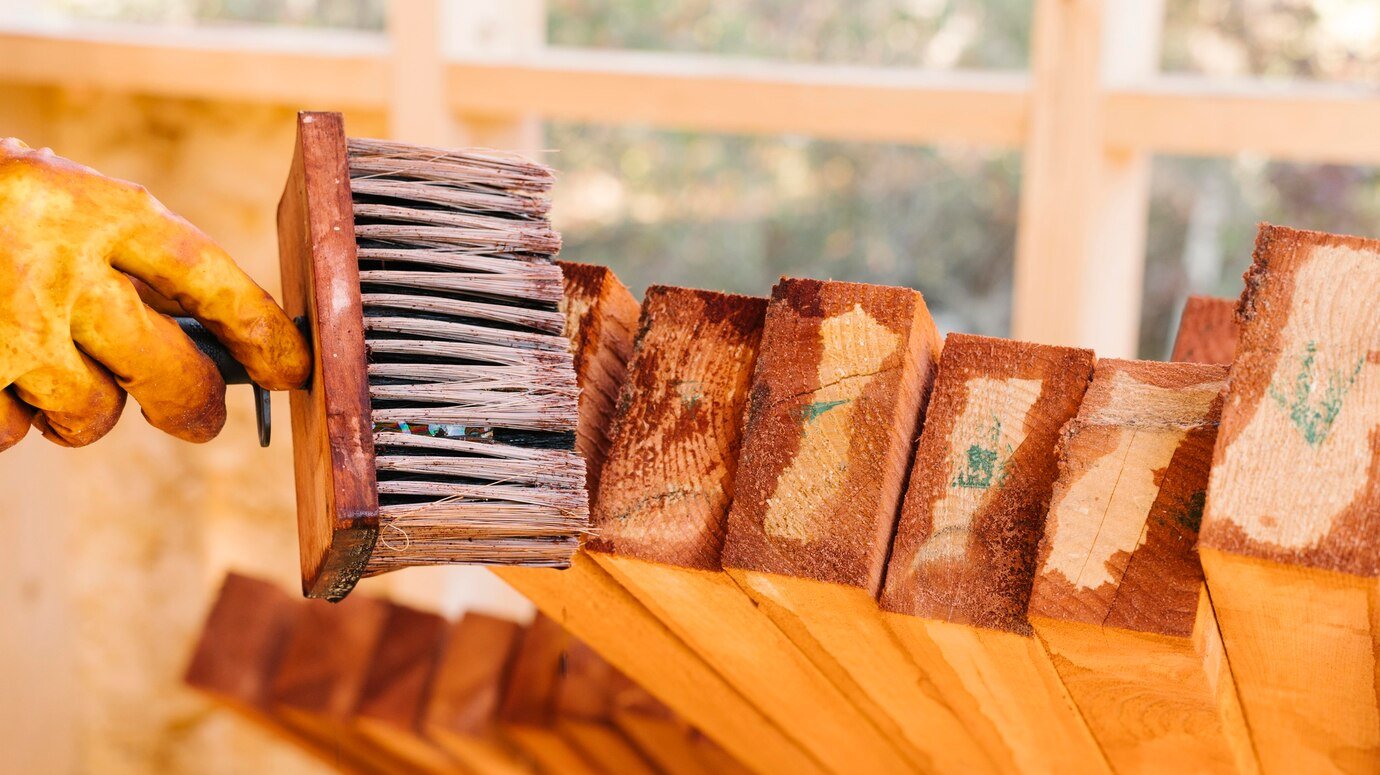
Assessing Surfaces: Wood, Plaster, Metal, Masonry
Before any painting or decorating begins, a thorough assessment of the surface is crucial to ensure proper adhesion and longevity of the finish. Different materials require unique approaches:
Wood: Must be checked for rot, knots, and moisture. Bare wood should be sanded smooth, and knotting solution applied to prevent resin bleed.
Plaster: New plaster needs drying time (up to 4 weeks) before painting. Existing plaster should be inspected for cracks, crumbling, or damp patches.
Metal: Surfaces must be free from rust, grease, and oxidation. Galvanized metal requires an etching primer for paint adhesion.
Masonry (Brick, Concrete, Render): Porous surfaces need checking for efflorescence (salt deposits), damp, or loose material. Exterior masonry often requires weather-resistant primers.
A proper assessment ensures the correct preparation method is used, preventing future peeling, blistering, or uneven finishes.
Repair Techniques: Filling Cracks, Sanding, Removing Old Paint/Wallpaper
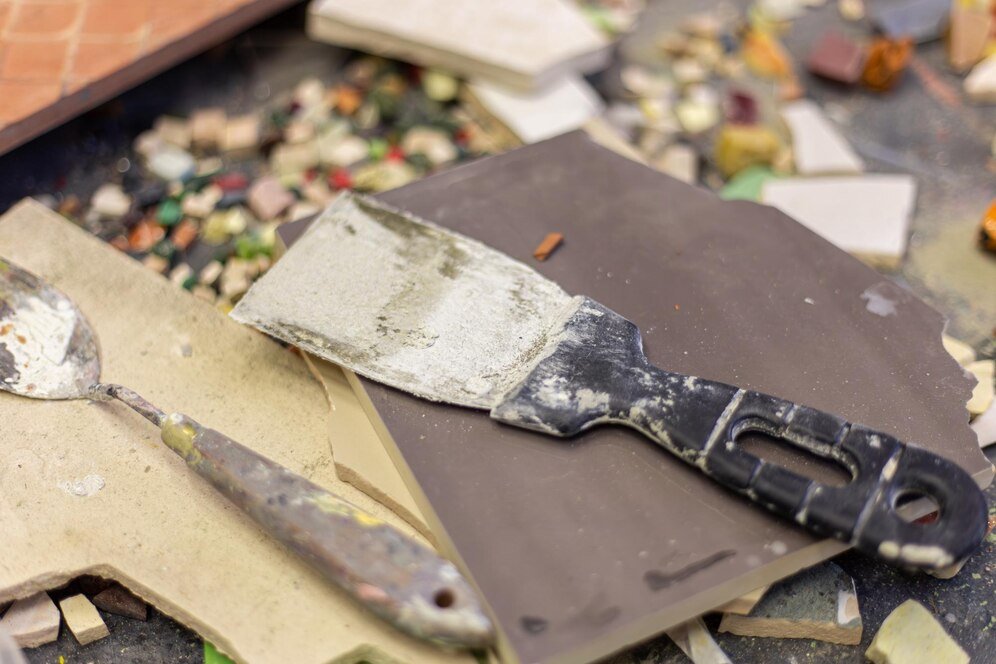
A flawless finish depends on meticulous repair work:
Filling Cracks & Holes: Fine cracks in plaster or wood are filled with flexible filler, while deeper gaps may require reinforcing mesh or two-stage filling.
Sanding: Surfaces must be smooth and free of imperfections. Coarse sandpaper (60-80 grit) removes rough patches, while fine grit (120-180) prepares for painting.
Removing Old Paint/Wallpaper: Loose paint is scraped or stripped using heat guns or chemical removers. Wallpaper is soaked with a stripping solution and peeled away, followed by residue removal with a sponge or steamer.
Proper repairs create a stable base, ensuring the new coating adheres correctly and lasts longer.
Priming & Sealing: Choosing the Right Primer for Different Surfaces
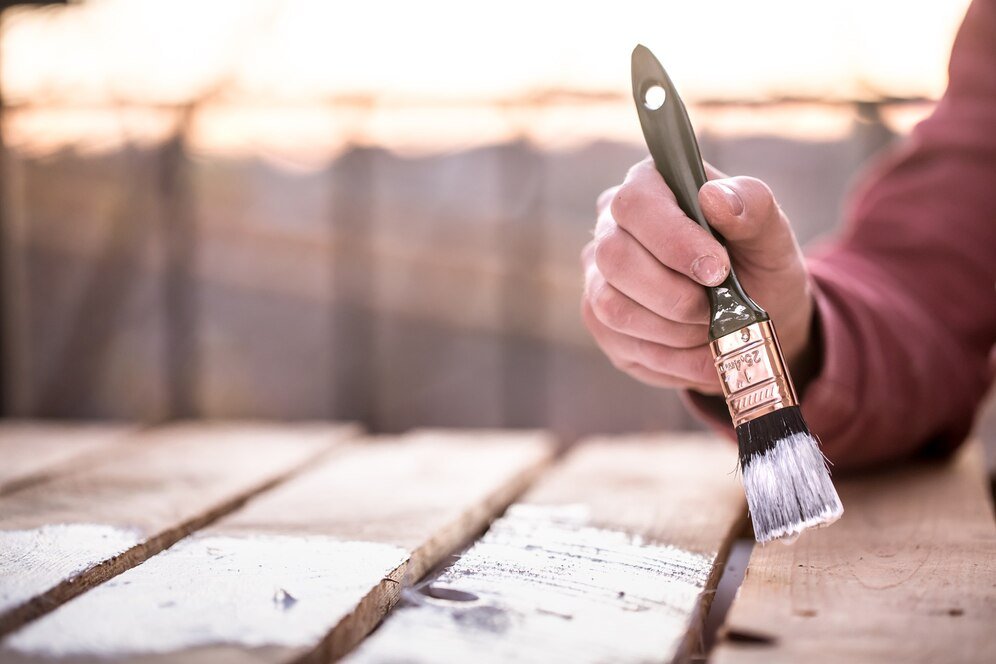
Primers are essential for adhesion, stain blocking, and uniformity:
Wood Primer: Alkyd-based for bare wood to seal tannins and prevent bleed-through. Water-based primers work for pre-treated wood.
Plaster Primer: Mist coats (diluted emulsion) for new plaster to prevent suction. Stain-blocking primers cover water marks or nicotine stains.
Metal Primer: Rust-inhibitive primers (red oxide or zinc phosphate) for iron and steel. Galvanized metal needs an acrylic bonding primer.
Masonry Primer: Breathable primers for exterior walls to prevent trapped moisture. Stabilizing solutions strengthen powdery surfaces.
Sealing porous surfaces (e.g., MDF, bare plaster) ensures even paint absorption, while stain-blocking primers prevent discoloration from bleeding through. The right primer enhances durability and finish quality.
Conclusion
Surface preparation is the most critical phase in painting and decorating—skipping steps leads to costly rework. Proper assessment, repair, and priming ensure professional, long-lasting results.
.svg)



