
Module 4: Clinical Skills & Adaptation
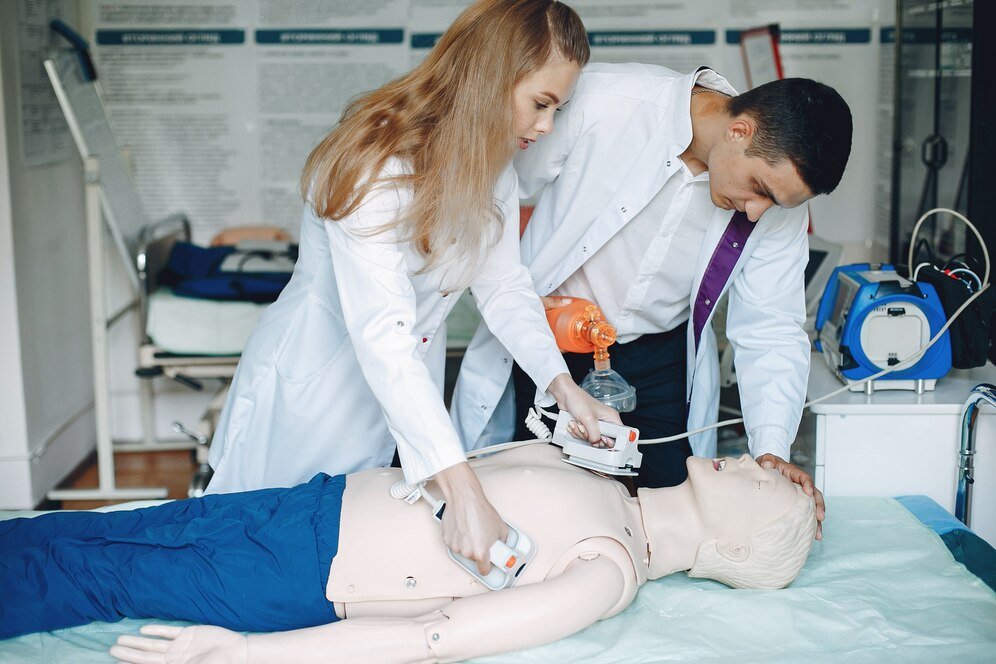
Working as a nurse in a foreign country requires adapting to different clinical protocols, emergency response systems, and healthcare technologies. Each destination has unique standards for medication administration, infection control, crisis management, and electronic health records (EHRs). This module provides a detailed comparison of these key areas across major nursing destinations (US, UK, Middle East, and Australia) to help nurses transition smoothly into their new roles.
1. Comparison of Clinical Protocols

A) Medication Administration
United States (US)
Drug Names & Measurements:
Uses brand names (e.g., Tylenol) and metric system (mg, mL).
Controlled substances have strict documentation (DEA regulations).
Nurse’s Role:
Independent double-checks for high-risk meds (insulin, heparin).
Barcode scanning mandatory in most hospitals.
United Kingdom (UK)
Drug Names & Measurements:
Uses generic names (e.g., paracetamol instead of acetaminophen).
Weight-based dosing in kilograms (even for adults).
Nurse’s Role:
"Right patient, right drug, right dose, right route, right time" (5 Rs).
Nurse prescribing allowed with additional certification.
Middle East (Saudi Arabia, UAE, Qatar)
Drug Names & Measurements:
Mix of US/UK terminology (e.g., paracetamol but IV fluids in mL).
Islamic considerations (e.g., gelatin capsules may require halal certification).
Nurse’s Role:
Less autonomy – Doctors often approve medications before administration.
Australia
Drug Names & Measurements:
Follows UK terminology (e.g., adrenaline instead of epinephrine).
National Inpatient Medication Chart (NIMC) standardizes orders.
Nurse’s Role:
Nurse practitioners (NPs) can prescribe in some states.
B) Infection Control Practices
2. Emergency Response & Crisis Management

A) Code Systems & Emergency Protocols
United States (US)
Code Blue = Cardiac arrest
Rapid Response Team (RRT) = Early intervention for deteriorating patients
Trauma centers follow ATLS (Advanced Trauma Life Support)
United Kingdom (UK)
Crash Call = Cardiac arrest
MEWS (Modified Early Warning Score) detects patient decline
Major Incidents follow NHS Emergency Preparedness
Middle East
Code 99 = Cardiac arrest (varies by hospital)
Limited trauma systems – Expats often airlifted for major emergencies
Heatstroke protocols critical in Gulf countries
Australia
Code Blue = Medical emergency
MET (Medical Emergency Team) responds to critical changes
Bushfire & disaster response training in rural areas
B) Key Differences in Emergency Nursing

US: Fast-paced, high autonomy in trauma settings.
UK: Team-based, structured escalation protocols.
Middle East: Less nurse autonomy, doctor-led emergencies.
Australia: Strong emphasis on rural & remote emergency care.
.svg)



