
Module 3: Advanced Drilling Techniques

1. Directional Drilling Fundamentals
Directional drilling allows drillers to steer the borehole along a planned path, enabling access to difficult-to-reach deposits, avoiding obstacles, or following mineralized zones.
Key Concepts & Techniques:
Deflection Tools:
Wedge Deflectors: Mechanical wedges placed in the hole to force the drill bit in a new direction.
Downhole Motors (DHMs): Bent-housing motors that allow steering without rotating the entire drill string.
Rotary Steerable Systems (RSS): Advanced systems that adjust direction while continuously rotating.
Surveying & Navigation:
Magnetic & Gyroscopic Tools: Measure azimuth and inclination to track hole deviation.
Real-Time Data Logging: Modern systems provide continuous updates to adjust drilling trajectory.
Applications in Diamond Drilling:
Avoiding underground voids or unstable ground.
Following steeply dipping ore bodies.
Multi-lateral drilling from a single parent hole.
2. Wireline Coring Operations
Wireline coring is a high-efficiency method where the core barrel is retrieved without removing the entire drill string, significantly reducing downtime.
System Components & Process:
Wireline Core Barrel Assembly:
Inner Tube: Holds the core sample and is retrieved via wireline.
Overshot: A latch mechanism that connects to the inner tube for extraction.
Wireline Cable: Strong, flexible cable used to lower and retrieve the inner tube.
Operation Steps:
Drill ahead until the core barrel is full.
Stop rotation and pump the overshot down to latch onto the inner tube.
Retrieve the core barrel to the surface using the wireline.
Replace with an empty barrel and resume drilling.
Advantages:
Faster core recovery than conventional methods.
Reduced rod handling and labor costs.
Less wear on drill rods due to fewer connections/disconnections.
3. Managing Drilling in Challenging Formations

Difficult ground conditions (fractured rock, overburden, or swelling clays) require specialized techniques to maintain hole stability and core recovery.
Solutions for Common Challenges:
Fractured & Unstable Rock:
Stabilizing Fluids: Use high-viscosity polymer muds to seal fractures.
Triple-Tube Core Barrels: Protect fragile core from disintegration.
Casing Advancement: Temporarily line the hole with casing to prevent collapse.
Overburden (Loose Sediments):
Hollow Stem Augers: Drill through soft material before switching to coring.
Mud Rotary Drilling: Use bentonite-based fluids to stabilize loose formations.
Swelling Clays & Heaving Ground:
Inhibititive Drilling Fluids: Add potassium chloride (KCl) or polymers to reduce clay swelling.
Reaming & Underreaming: Enlarge the hole to accommodate swelling.
4. Optimizing Drilling Parameters
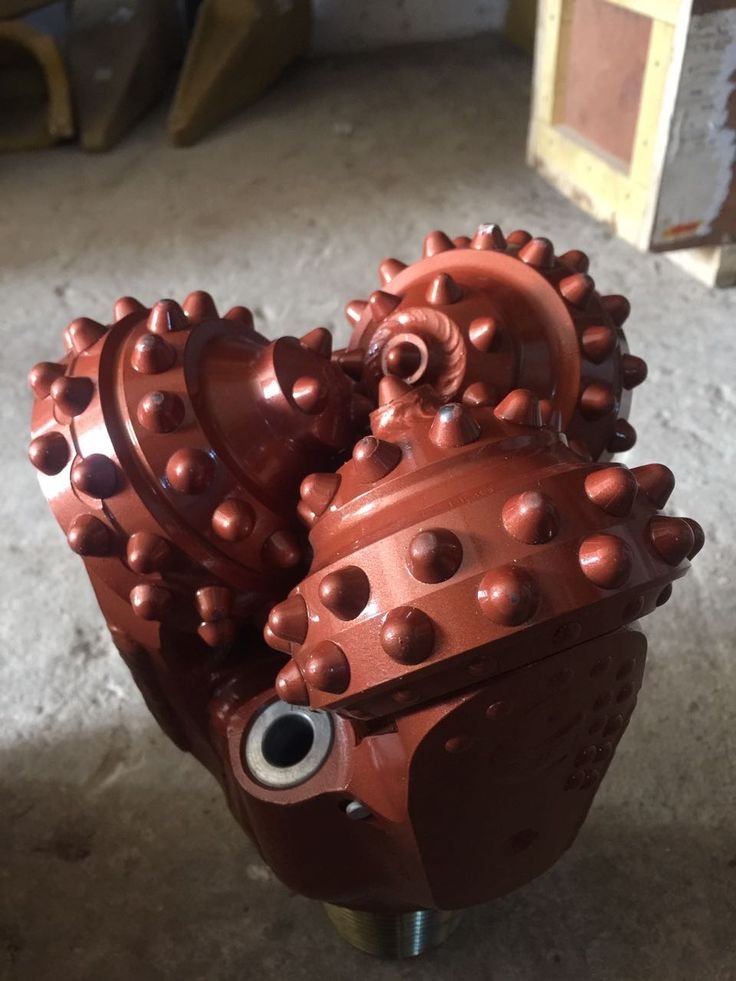
Fine-tuning drilling parameters maximizes efficiency, extends bit life, and improves core recovery.
Critical Parameters & Adjustments:
Rotation Speed (RPM):
Hard Rock: Lower RPM (300-600) to reduce bit wear.
Soft Rock: Higher RPM (800-1200) for faster penetration.
Feed Pressure (Weight on Bit - WOB):
Excessive pressure → Bit balling or core jamming.
Insufficient pressure → Slow progress and bit glazing.
Rule of Thumb: Adjust based on rock hardness (softer = lighter pressure).
Flush Rates (Pump Flow):
Insufficient Flow: Poor cuttings removal → Bit overheating.
Excessive Flow: Erosion of hole walls or core loss.
Optimal Range: Typically 15-30 L/min, depending on hole size.
Torque Monitoring:
Sudden spikes may indicate jamming or bit damage.
Smooth torque = efficient cutting.
Data-Driven Optimization:
Real-Time Monitoring Systems: Track RPM, WOB, and torque to adjust parameters dynamically.
Post-Drilling Analysis: Review performance logs to refine future drilling plans.
Conclusion
Mastering advanced drilling techniques—directional control, wireline coring, challenging formation management, and parameter optimization—enhances productivity, reduces costs, and ensures high-quality core recovery. These skills are essential for modern mineral exploration and geotechnical drilling.
.svg)



