
Module 1: Advanced Materials & Performance Metrics
1.1 Material Science of Acoustic Flooring
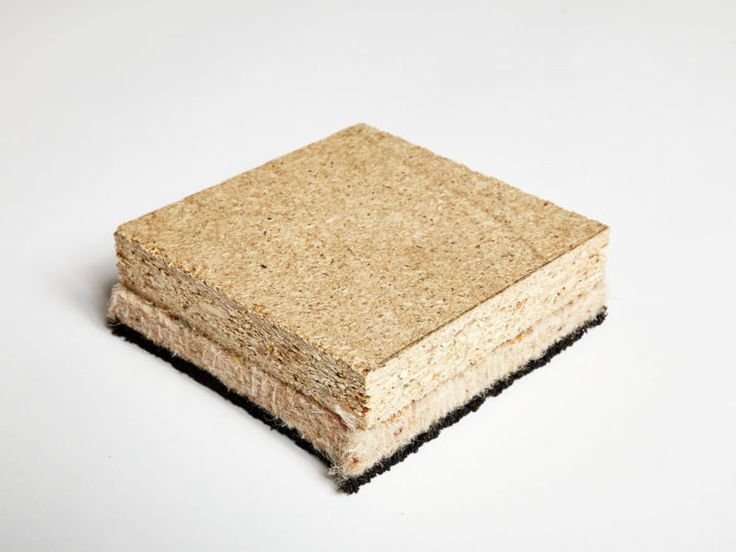
Acoustic flooring relies on advanced materials engineered to dampen sound transmission through impact (footsteps, dropped objects) and airborne noise (voices, music). The choice of underlay material significantly affects performance, with polymer-based and mineral-based options offering distinct advantages:
Polymer-Based Underlays (e.g., polyethylene foam, EVA):
Lightweight, flexible, and easy to install.
Excellent for reducing high-frequency noise but may compress over time under heavy loads.
Often used in residential floating floors due to cost-effectiveness.
Mineral-Based Underlays (e.g., cork, stone wool, gypsum):
Higher density improves low-frequency noise reduction (e.g., bass, machinery).
Naturally fire-resistant and durable, ideal for commercial spaces.
Cork is eco-friendly and offers thermal insulation but is less effective against heavy impacts.
Key Performance Metrics:
Dynamic Stiffness (MN/m³): Measures how an underlay resists deformation under dynamic loads. Lower values (<15 MN/m³) indicate better impact noise reduction.
Impact Noise Reduction (ΔLw): Quantifies decibel reduction (e.g., ΔLw ≥ 20 dB is considered high-performance).
Frequency-Dependent Absorption: Materials perform differently across frequencies (e.g., rubber excels at low frequencies, while foam handles mid-range).
1.2 High-Performance Systems
Advanced acoustic flooring systems combine materials and design principles to maximize noise control:
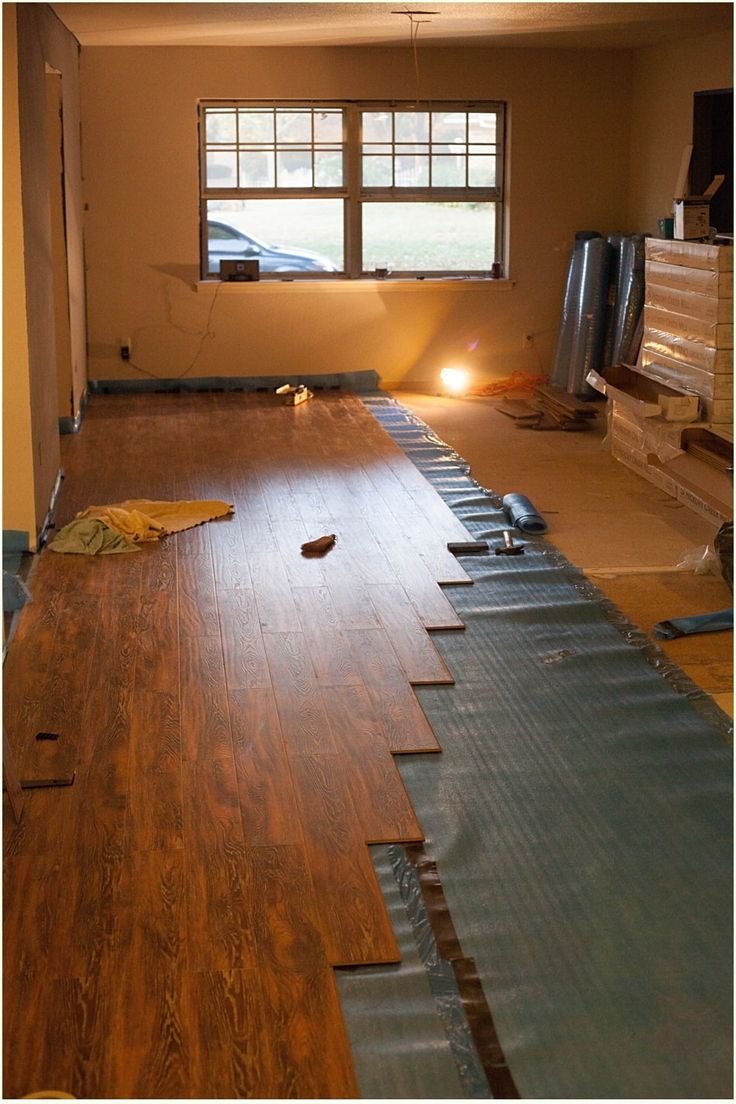
Floating Floors with Decoupling Layers:
Isolates the floor from the subfloor using resilient underlays (e.g., rubber mats, foam).
Prevents structure-borne sound transfer ("flanking noise").
Requires careful perimeter detailing (acoustic sealants, edge strips).
Resilient Underlays:
Rubber: High durability and ΔLw (e.g., recycled rubber for sustainability).
Cork: Natural sound absorption but limited in high-load environments.
Recycled Materials: Composite foams from post-industrial waste, balancing eco-friendliness and performance.
Composite Systems (e.g., Gypsum + Foam):
Combines mass (gypsum) with damping (foam) to block airborne and impact noise.
Used in commercial builds where fire ratings (e.g., Class A) are critical.
1.3 Testing Standards & Certifications
Acoustic flooring must meet rigorous international standards to ensure real-world performance:
Lab vs. Field Testing:
ISO 10140 (Lab): Controlled environment tests for airborne/impact sound insulation (e.g., STC/IIC ratings).
ISO 16251 (Field): Measures installed performance, accounting for construction flaws (e.g., flanking paths).
Material-Specific Standards:
EN 14342: Evaluates wood flooring’s acoustic properties in the EU.
ASTM E2179: Measures impact sound transmission in the US (e.g., tapping machine tests).
Certification Importance:
Ensures compliance with building codes (e.g., UK Part E, IBC).
Helps architects compare products (e.g., a 23 dB ΔLw underlay vs. 18 dB).
Key Takeaways:
Material choice depends on noise type (impact vs. airborne), frequency range, and load requirements.
High-performance systems integrate decoupling, mass, and damping layers.
Standards (ISO, ASTM) validate claims and ensure code compliance.
.svg)



